
When can I shower after applying silicone?
Skin-dry is not a full cure. Wait until the joint has cured through, not just until it feels dry to the touch.
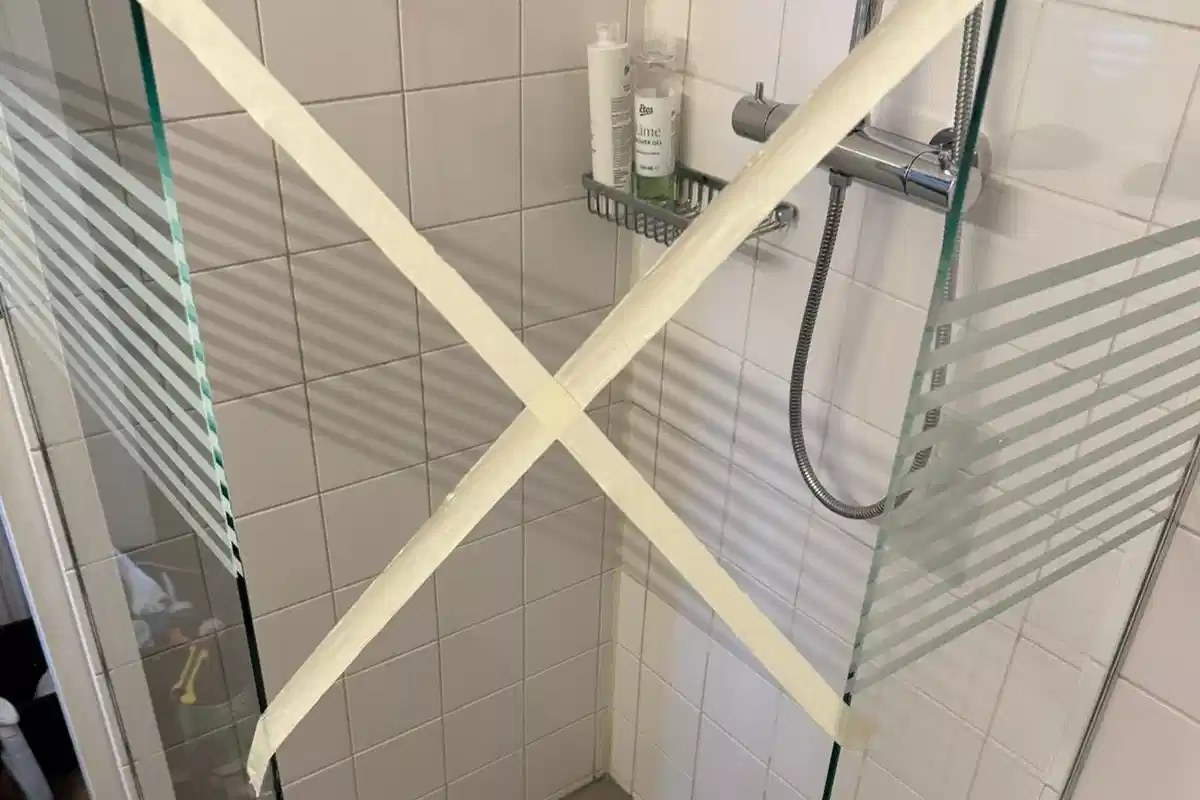
A dry skin after minutes does not mean you can shower. Cure runs from the outside in. For a normal bathroom joint, wait about 24 hours unless the cartridge says otherwise — and longer if the joint is deep or the room is cold and dry.
Skin formation is not through-cure
Most sanitary silicones are RTV-1 systems: they cure by reacting with air moisture, from the surface inward.
After twenty minutes or so the bead may feel dry if you tap it. That is only a skin. The core is still reacting. A full shower then loads a soft centre with water pressure, heat and tray movement.
What “24 hours” actually means
Many professional cartridges quote a through-cure on the order of about 2–3 mm per 24 hours at roughly 23 °C and 50 % relative humidity. A 6 mm-deep joint is therefore not solid at the core after a few hours.
I treat 24 hours without a proper shower as a conservative default for a normal bathroom joint. It is not a chemical law for every product and every climate. Read the pack you used. A thicker joint, a cold room or very dry air slows the reaction. A heater that dries the air does not “turbo-cure” this chemistry: without moisture, polymerisation stalls.
Packs that promise “shower after one hour” are often fast acetoxy silicones. They can skin quickly. They also tend to smell of vinegar, can be harsher on some plastics and natural stone, and faster skin is not the same as a fully stable core. Neutral sanitary silicones often take longer and are the ones I reach for in a shower. Follow that cartridge, not a slogan.
If you shower too soon
The face looks set; the middle is still paste. Movement opens a microscopic path at the tile. Water, soap and skin oils creep behind. Mould that appears weeks later can start from that leak, not from “bad luck”. Waiting two days will not save a tray that still flexes on a bad support.
Practical rules
- Plan so the shower can stay off for a day after you finish.
- Leave the door ajar so moisture can reach the bead and vapours can leave.
- A few accidental drops after a couple of hours: blot, do not rub. A full shower is another matter.
- A fresh joint around a WC: body weight can move the pan. Be careful for the first hours, or use another toilet if you can.
Exceptions
If the tray moves because the support is wrong, extra curing time does not fix it. Stabilise first, then reseal.
What I use on this joint
-
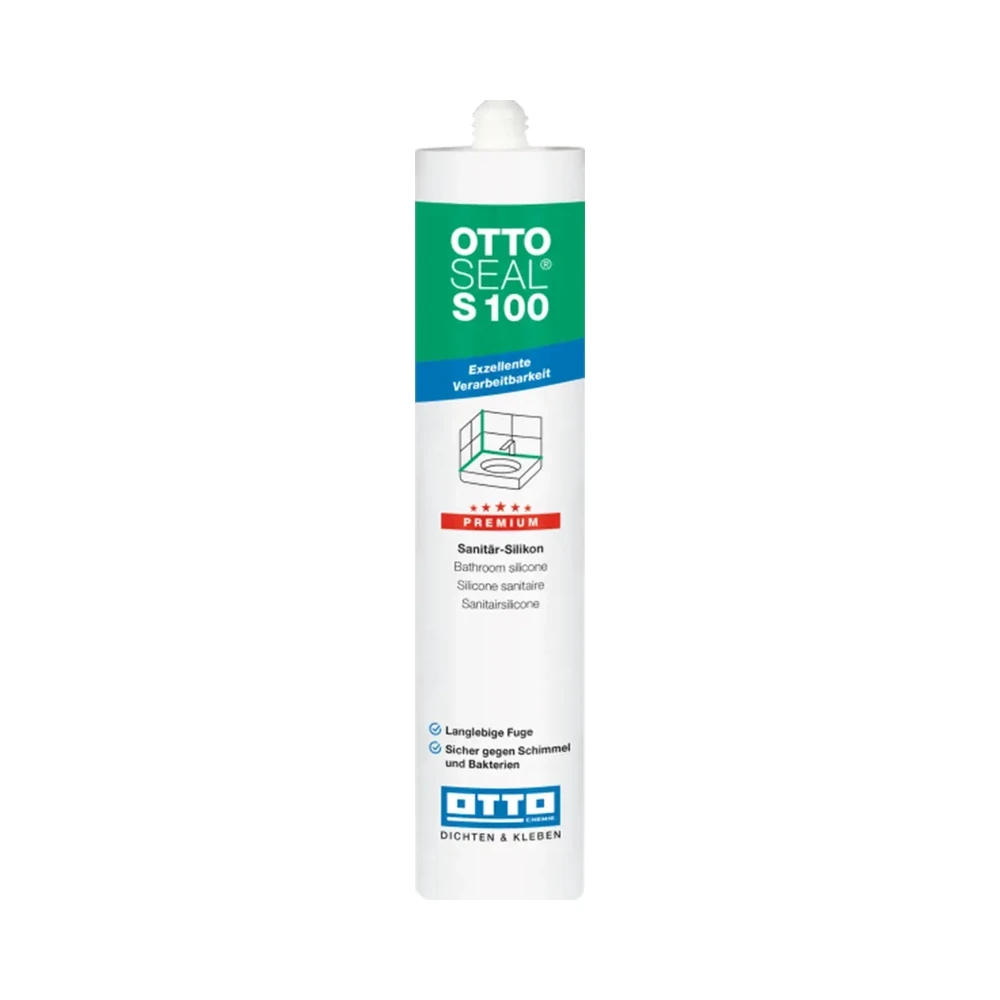
OTTOSEAL S100
The sanitary silicone I use on showers and baths. Elastic — not a staining-risk stone silicone.
OTTOSEAL S100 Purchase link not available
-

Why silicone peels: adhesion, primers and a clean substrate
If the bead peels leaving the tile clean, it never bonded. Greasy household cleaners, damp faces and skipped primer are the usual reasons.
-
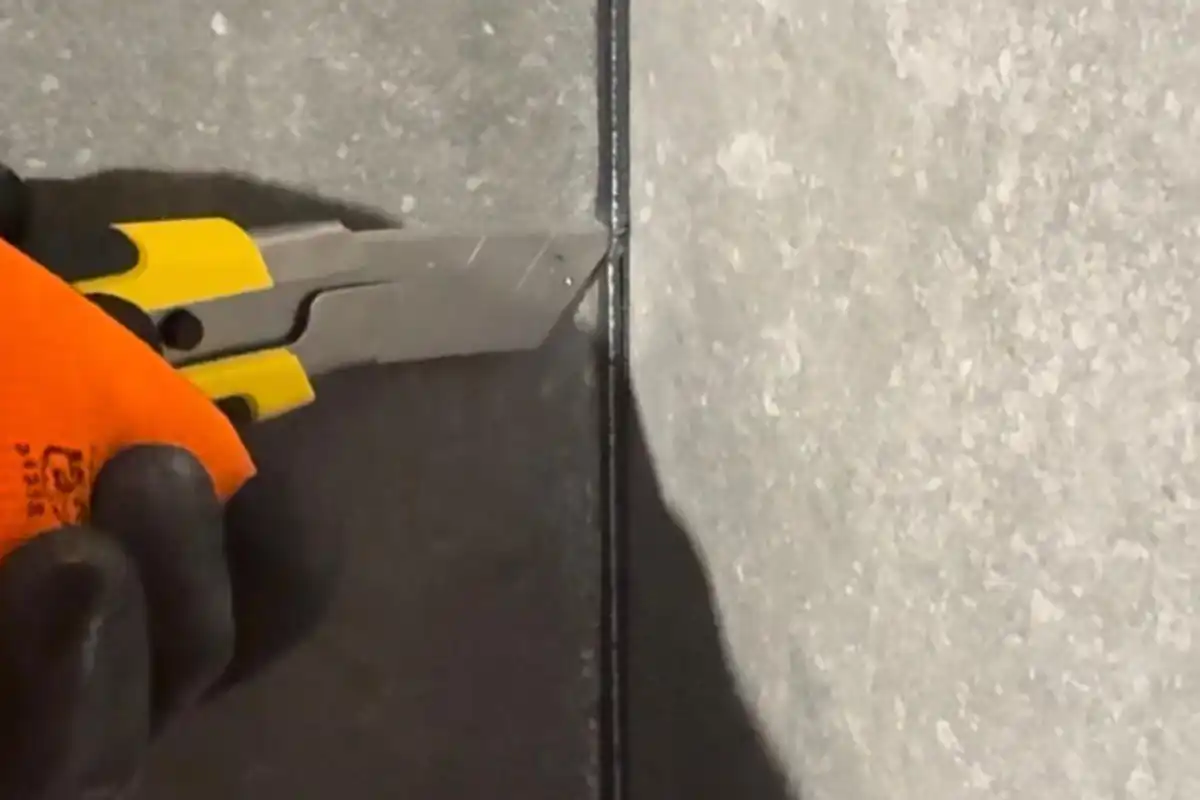
Removing old silicone: why “looks clean” is not enough
New silicone will not bond to an invisible oil film. Cut the mass, break the residue, then degrease — without scratching acrylic.
-
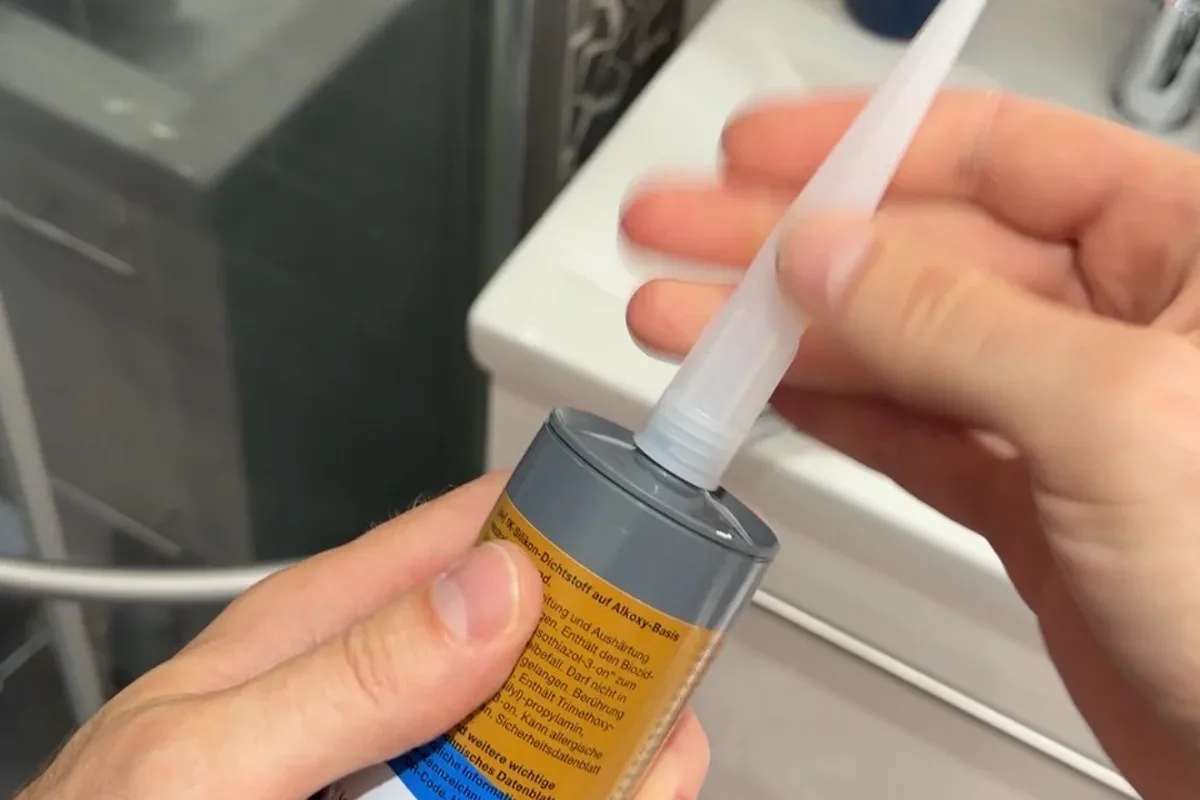
A shower tray that moves: sealant will not hold it still
An elastic joint is a seal, not a support. Stabilise the tray as its manufacturer specifies, then reseal.