
A shower tray that moves: sealant will not hold it still
An elastic joint is a seal, not a support. Stabilise the tray as its manufacturer specifies, then reseal.
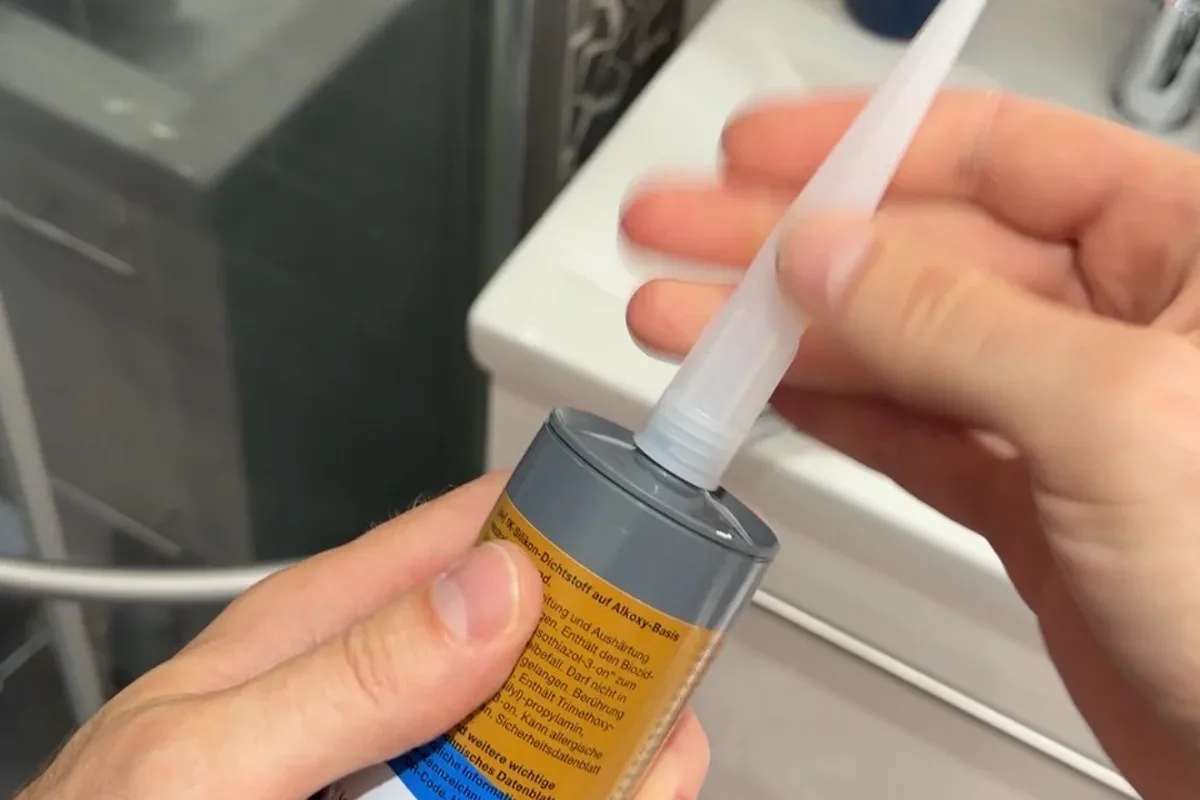
If the tray flexes, creaks or drops when you stand in it, fix the support first. A fatter bead of silicone will still tear. Seal only when the tray is stable.
What the joint is for
Sanitary silicone is an elastic seal. It follows small movement between tray and tile. It is not a structural adhesive, not packing for a hollow support, and not a way to lock a rocking tray in place.
A thicker bead does not change that. Elastic sealant has a limited amount of stretch. If the tray lifts and drops by millimetres every time someone stands in it, the joint is overloaded. It then tears through the middle (cohesion) or lets go of the tile or the tray edge (adhesion).
When to reseal — and when not to
Reseal when the tray itself is firm and only the old silicone is tired, stained or mouldy.
Do not reseal yet when the tray springs, creaks or sags as you step in. Repeating the joint while the support still moves is wasted work: the new bead fails the same way.
How to check
Stand in the empty tray, then with your weight where you normally stand under the shower. Watch the line between tray and wall. If that gap opens and closes, or you feel flex underfoot, the problem is the support — not a missing millimetre of silicone.
How that support is built (adjustable feet, a mortar bed, a board, packing, or something else) depends on that tray’s installation instructions. There is no single method that fits every acrylic, steel or ceramic tray. Follow the maker of the tray, not a universal “fill it with foam” recipe.
After the tray is stable
Only then treat it as a normal shower joint:
- Cut out the old sealant fully and clean the flanks.
- Degrease with a technical cleaner and let the faces dry.
- Use primer only if that substrate needs it.
- If the joint is deep, set closed-cell PE backer rod so the sealant bonds on two faces, not three.
- Apply sanitary silicone and tool it so water can run off.
Exceptions
Old silicone on a tray that does not move is a joint replacement. A moving tray is a support job first. Do not mix the two.
If water is already behind the tiling, sealing the visible line will not dry that cavity. The leak path has to be understood before you close it again.
What I use on this joint
-
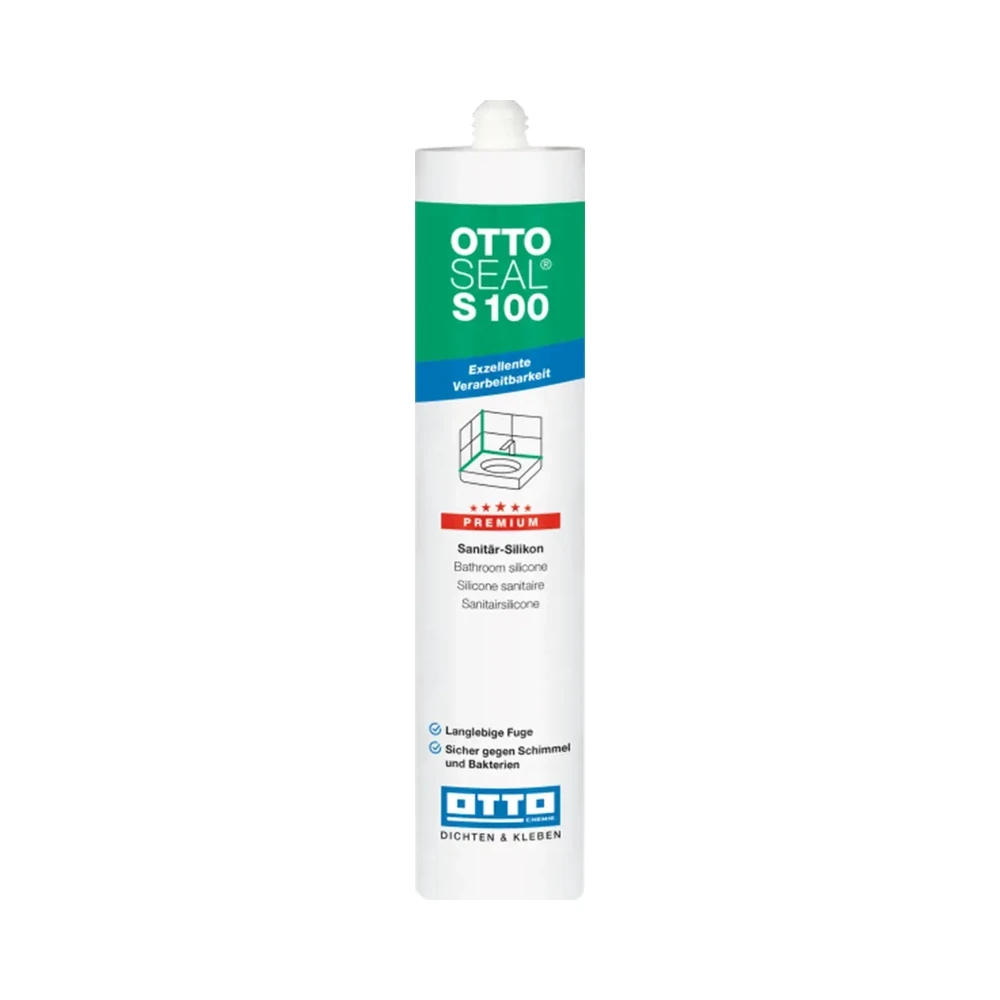
OTTOSEAL S100
The sanitary silicone I use on showers and baths. Elastic — not a staining-risk stone silicone.
OTTOSEAL S100 Purchase link not available
-
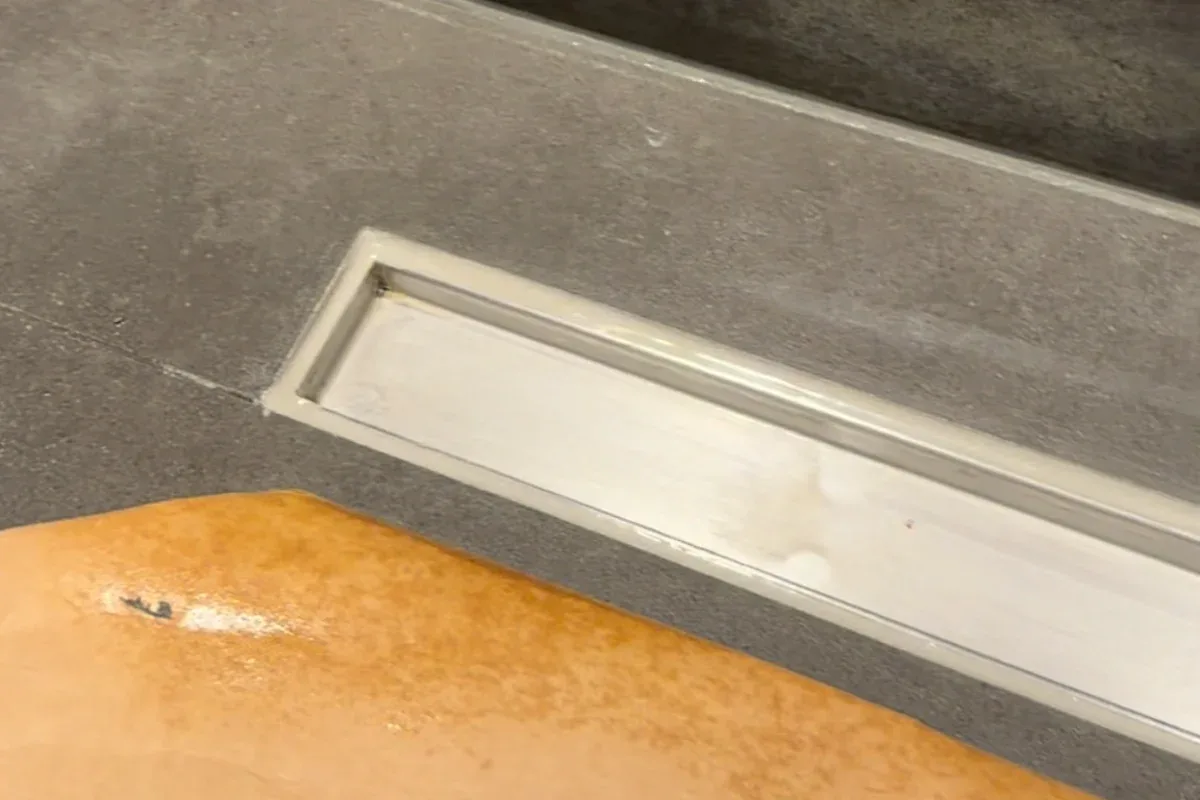
The joint peeling off the tray or bath
On acrylic and composite, peel is usually adhesion plus movement. Tray support and an elastic joint are two different jobs.
-
Do you fill the bath before sealing?
Acrylic and thin steel often sag under weight. Filling is not a universal rule: watch how that bath moves and what its maker asks.
-
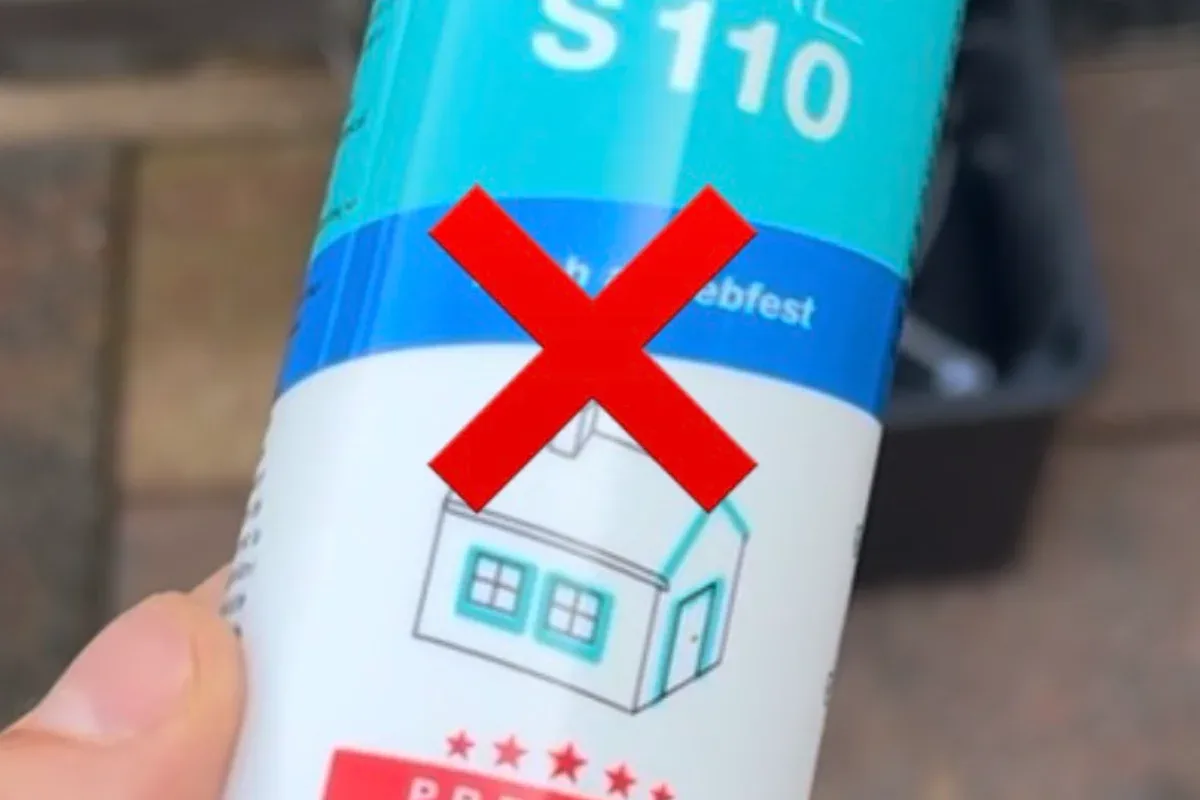
When you should not seal (yet)
A damp substrate, a loose tile or covered mould: silicone locks the problem in and vapour pushes the bead off.