
Shower screen: inside, outside or both?
On many aluminium profiles you seal the dry side and leave the wet side so water can run back into the shower.
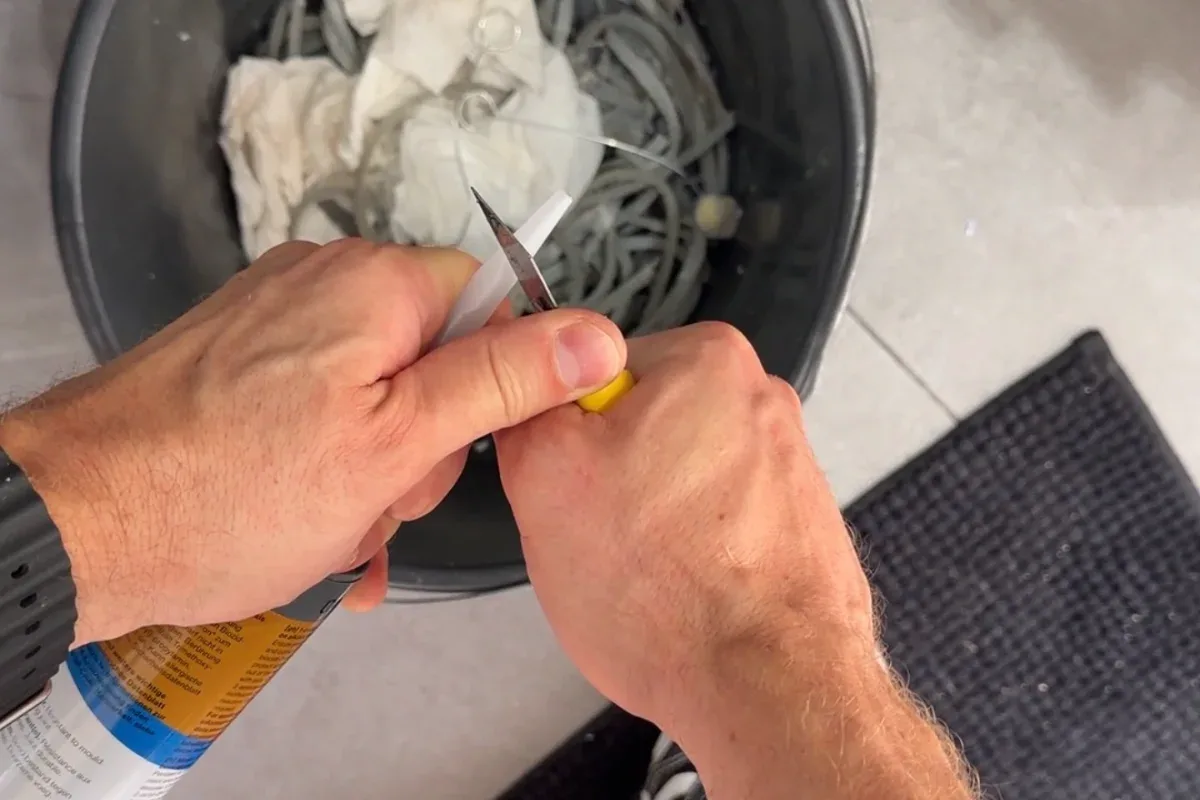
On many systems you seal outside and leave the inside open, unless the maker says otherwise. Sealing both sides can trap water in the profile.
The profile has to drain
“More silicone, more watertight.” On a framed screen, not always. Some shower water or condensate gets into the aluminium. Many systems are designed so that water runs back to the shower side. If you close inside and outside blindly, you block that path. Water sits in the profile, finds another way out, and you get mould, dirt or a leak on the dry side.
Look at the profile, not only the glass. The fitting instructions for that screen decide: sometimes the maker wants inside, outside or both, at specific points. There is no single recipe.
Elastic joints in the tiling — wet-room corners and meetings — are a separate job. Those take sanitary silicone, for example OTTOSEAL S100 where the substrate allows it. That does not replace the profile’s seal drawing.
When to seal — and when not
Yes, the dry side (outside) when the maker asks you to seal profile–wall, profile–tray or profile–tiled floor on the outside.
Not the shower side by habit if the profile drains inward. A bead on the bottom edge, wet side, is the one that most often blocks the return.
Inside only if the manual says so. Some systems have nodes that go inside or on both faces.
No acrylic sealant in the shower zone. Not any silicone on natural stone: that wants a stone silicone (OTTOSEAL S70). Not a new bead over the old one. Not washing-up liquid as a tooling soap: it leaves residue and marks the surface.
An extra bead around the profile does not fix failed waterproofing behind the tiling.
How I do it
- Read the manual: where the maker wants silicone.
- Check whether someone has already blocked drain holes, and whether there is moisture under or behind the profile.
- Clean tile, tray and aluminium. Dry, dust-free, degreased. Where it fits, OTTO Cleaner T.
- Apply sanitary silicone on the maker’s lines, not “all the way round just in case”.
- Tool it narrow, with proper tools and a professional finisher.
- Do not shower on it at once. About 24 hours is a usual minimum; the product and thickness decide.
If it is already sealed inside
That is not automatically wrong. Find the manual. If the system should stay open on the shower side and it is closed, open that path and reseal where it belongs. If the maker asked for both sides, leave it.
Exceptions
A frameless screen, or a system with a different drain scheme, is not the catalogue aluminium frame. The tiling behind still needs its elastic joints even if the profile drains well.
What I use on this joint
-
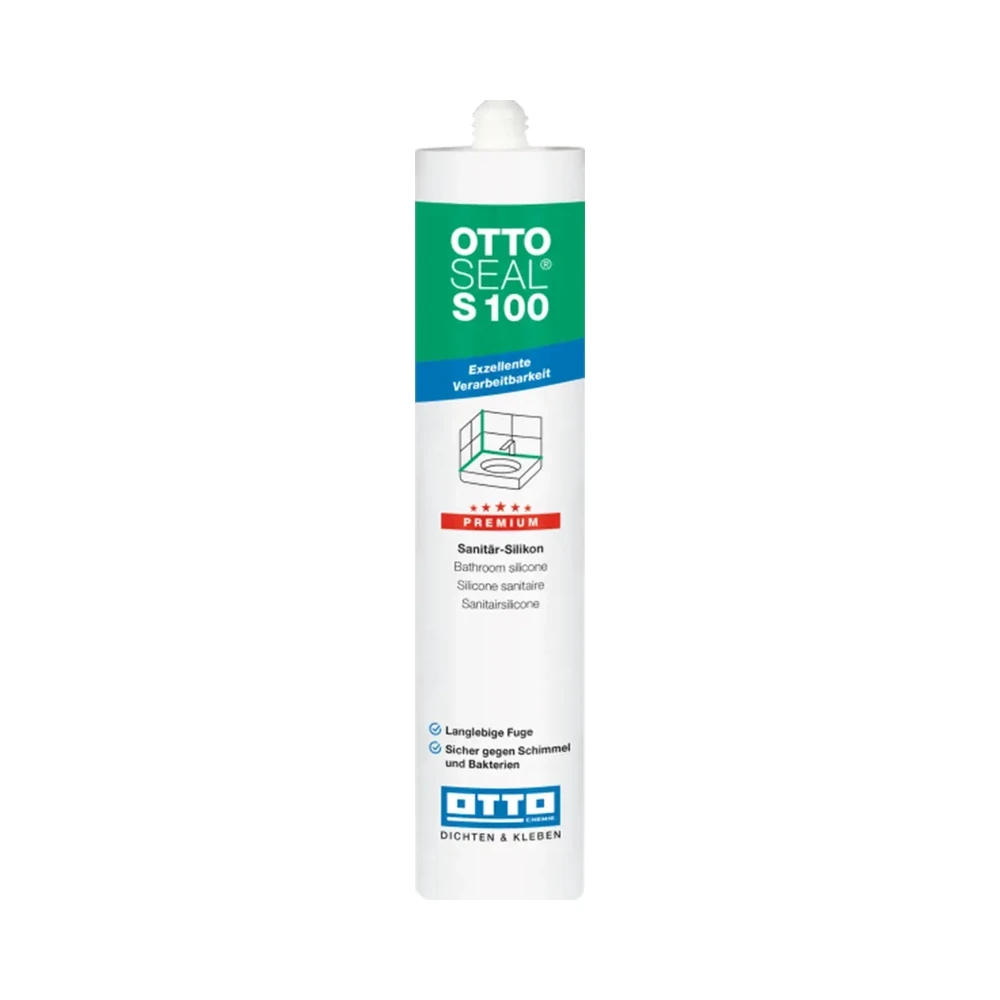
OTTOSEAL S100
The sanitary silicone I use on showers and baths. Elastic — not a staining-risk stone silicone.
OTTOSEAL S100 Purchase link not available
-
Water behind the shower profile: more silicone almost never fixes it
Seal the wet side shut and the profile becomes a tank. Seal the dry side and let the wet side drain.
-
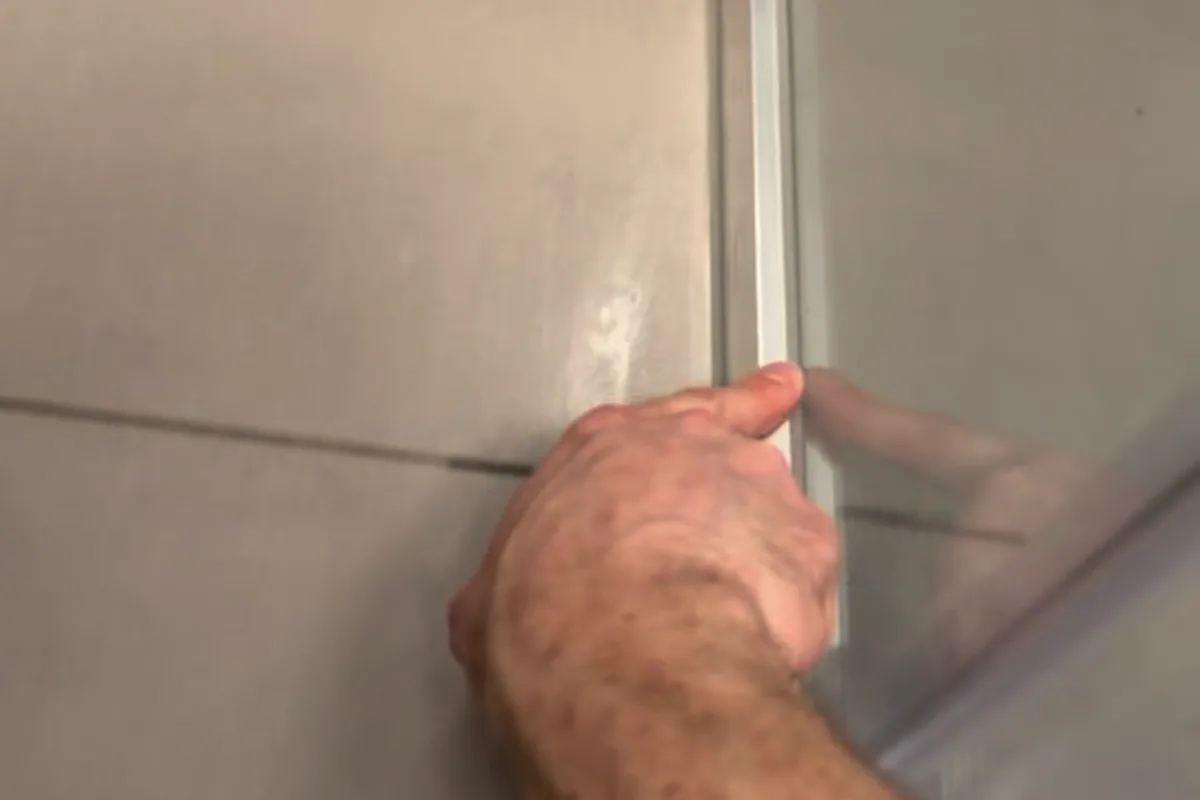
Walk-in shower: more standing water, tighter demands
Without a tray to lead the water away, it sits on the floor and against the glass: the joint works harder than in a classic shower.
-
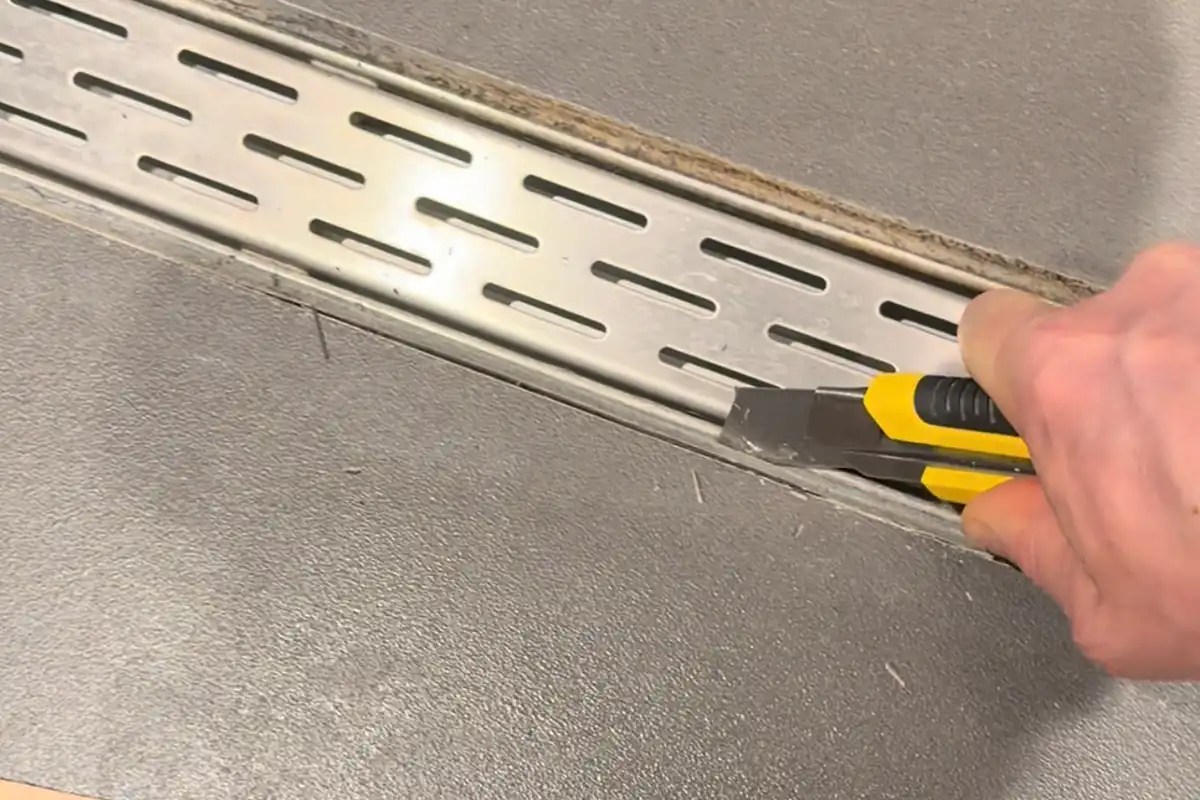
Seal the bathroom yourself: the order that lasts
Push sanitary silicone into the joint, do not lay it on top. Clean flanks, two-sided adhesion, a profile that sheds water — not washing-up liquid.