
A hollow or ragged joint: the finger and the washing-up liquid
A fingertip leaves a gutter where water sits. Washing-up liquid attacks the still-wet flank and a thin smear frays.
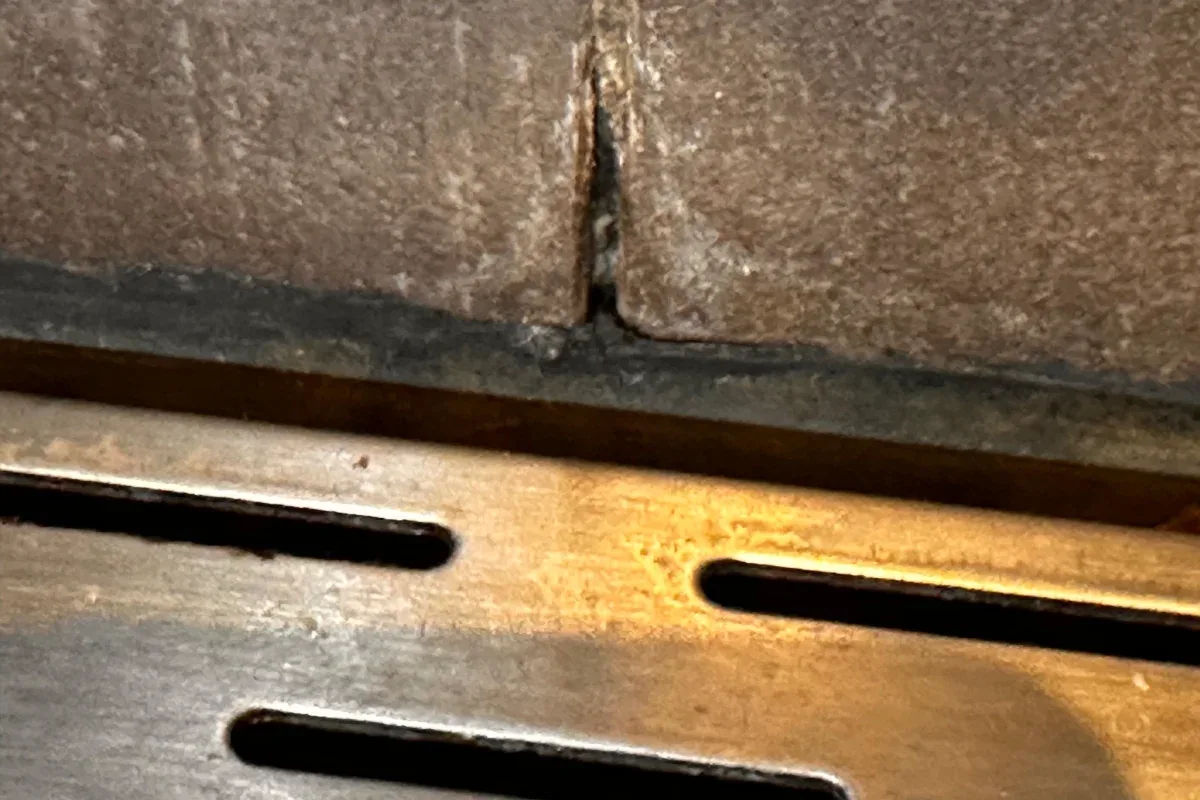
Tool with a spatula and a neutral smoothing agent. A finger digs a gutter; washing-up liquid can break the bond at the edge and wash out the fungicides.
What you are looking at
A shower joint done properly is flat or slightly to fall. Water leaves. A hollow joint — the crescent of a finger — holds soap and moisture. The edges go to a film: they fray, lift, and the middle is too thin to stretch.
That is not a cosmetic niggle. It is geometry: no body in the centre, skins on the flanks.
Washing-up liquid is not a finisher
Washing-up liquid is made to break grease. If the suds creep between fresh sealant and the tile, they cut adhesion. A soap film stays. Acids, dyes and perfume eat the fungicides. Months later: yellowing or black specks, “for no reason”.
If you have no smoothing agent, clean tap water is less harmful than the sink. On natural stone, never washing-up liquid: it stains the edge.
How to tool with body
Dry, soap-free substrate. Push the silicone into the joint, a little overfull, no bubbles. A light mist of pH-neutral finisher — not a puddle that runs underneath. Spatula (wood or plastic) about 2 mm wider than the joint, one pass. I use Fugenfux when I want a controlled radius and angle.
A triangular or flat section puts mass in the middle. A round finger steals it to the sides and leaves a channel.
Do not tool with spit. Your mouth is full of bacteria; you plant them in the mass.
The usual mistakes
Too much soap: liquid slides under the bead before it grabs. Touching it again and again: the skin forms and wrinkles. Tape on a shower edge: a little step where water sits. Better freehand, so the meeting almost disappears.
If the joint is already a deep gutter full of dirt, do not shoot over it. Replace.
Why flat drains
On a flat face the droplet runs. In a concave radius it hangs by capillary action. Less still water, less mould. And there is body for cohesion when the building moves.
Exceptions
A skin already lifting at the edges almost never trims back to a sound joint. Cut it out and redo. On stone, stone chemistry and a stone-safe finisher, not the washing-up trick.
What I use on this joint
-
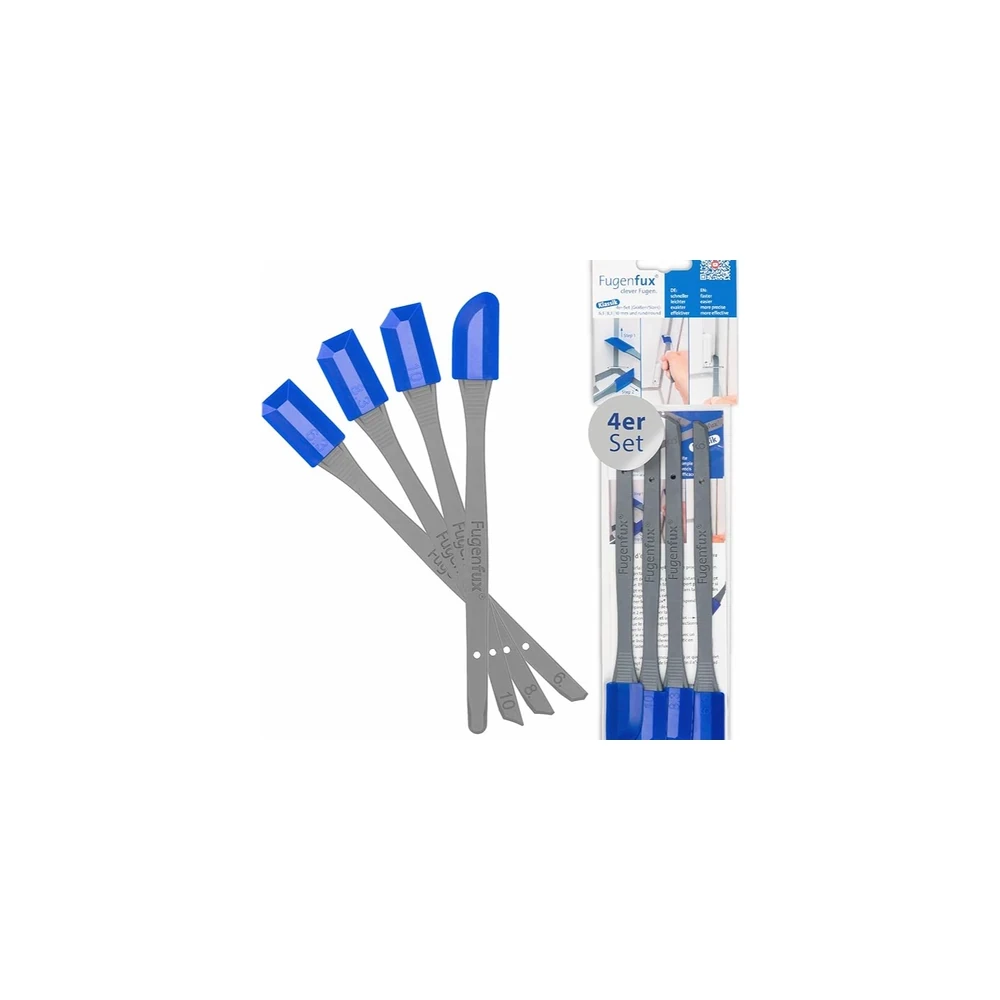
FUGENFUX
Spatula set for tooling joints to a controlled profile.
-
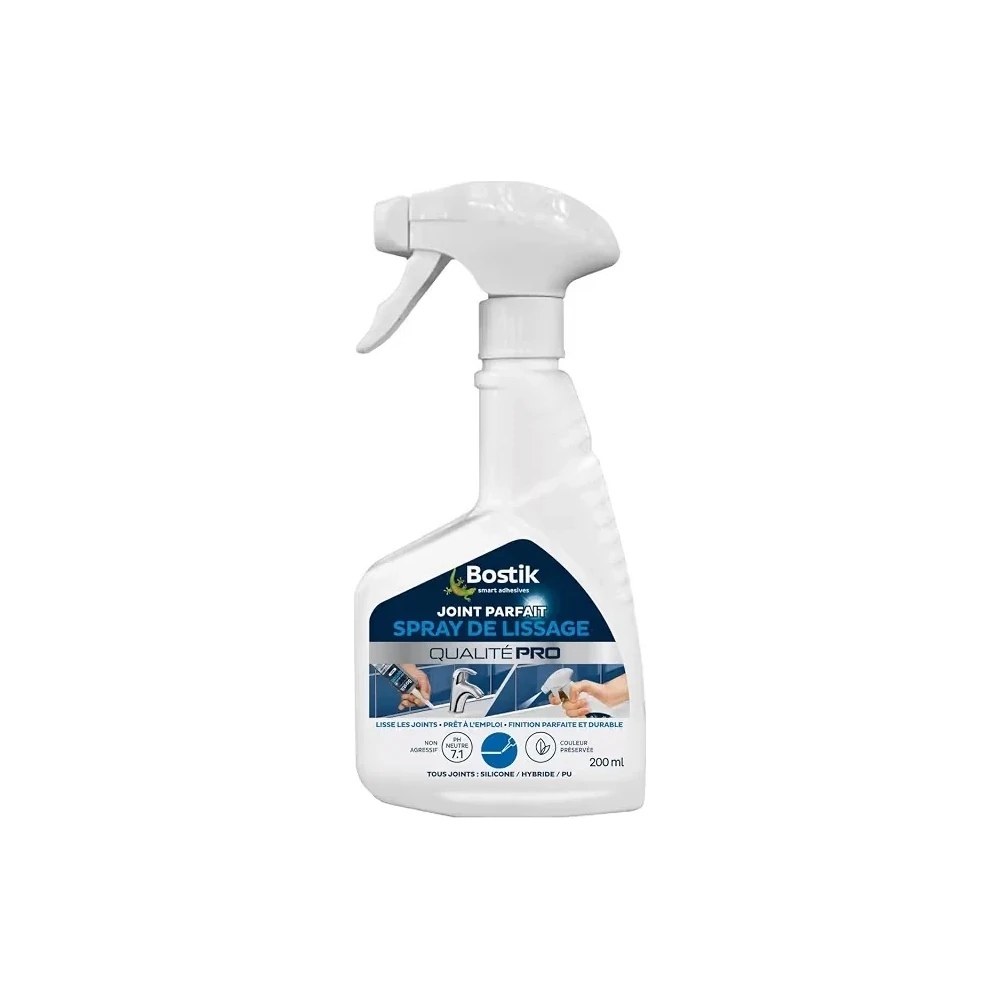
Smoothing agent
Spray/liquid for tooling the joint surface without dragging dirt.
-
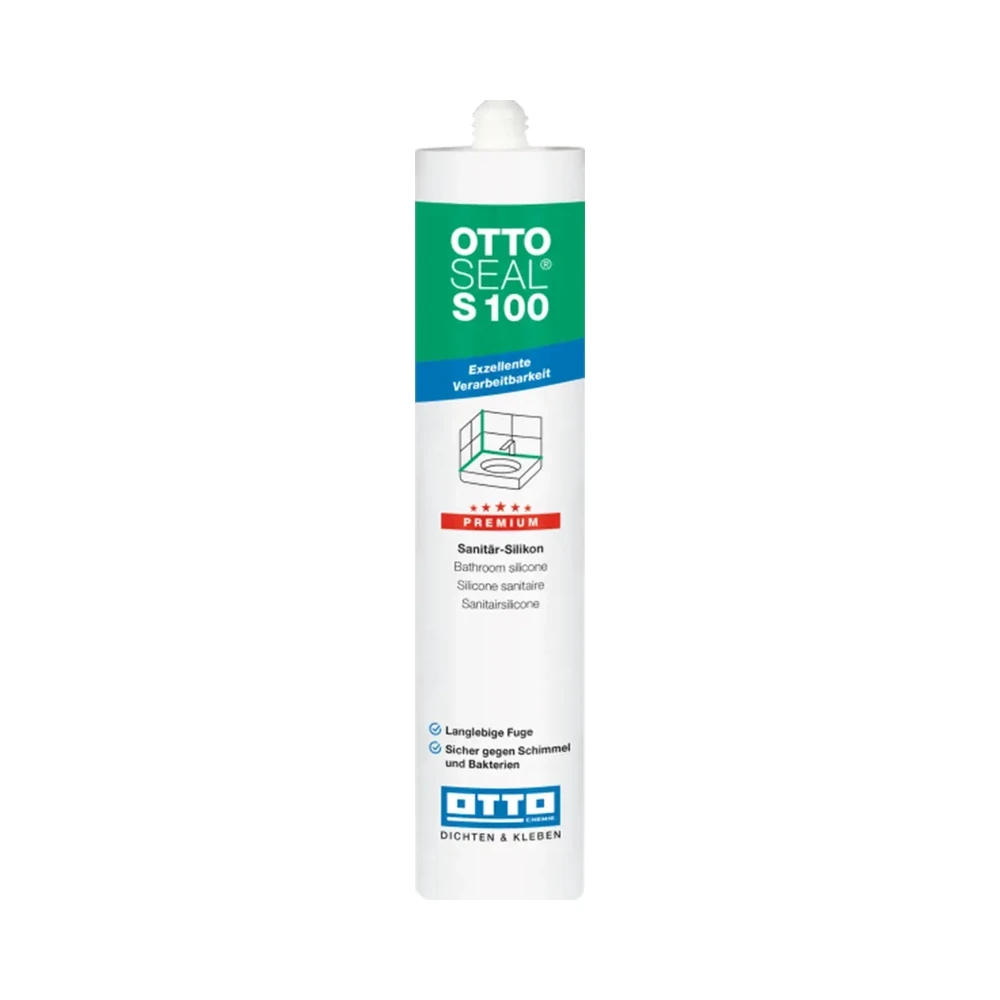
OTTOSEAL S100
The sanitary silicone I use on showers and baths. Elastic — not a staining-risk stone silicone.
OTTOSEAL S100 Purchase link not available
-
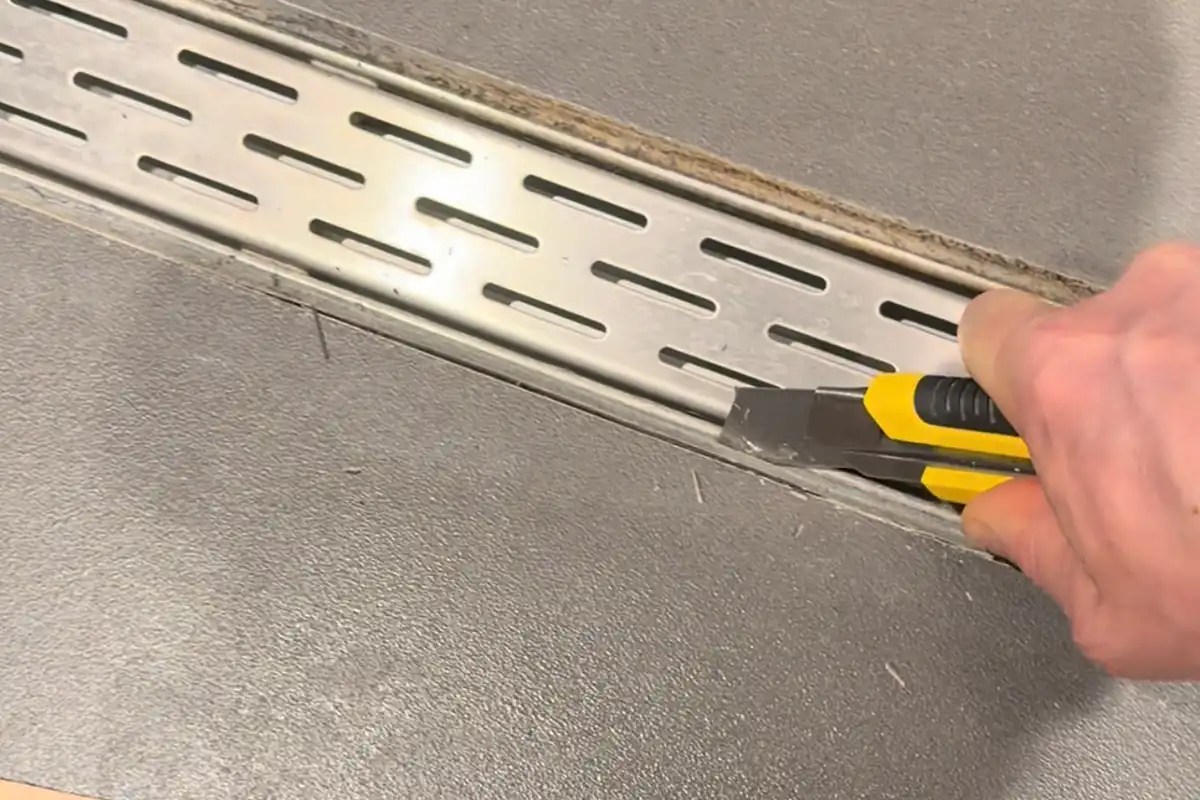
Seal the bathroom yourself: the order that lasts
Push sanitary silicone into the joint, do not lay it on top. Clean flanks, two-sided adhesion, a profile that sheds water — not washing-up liquid.
-
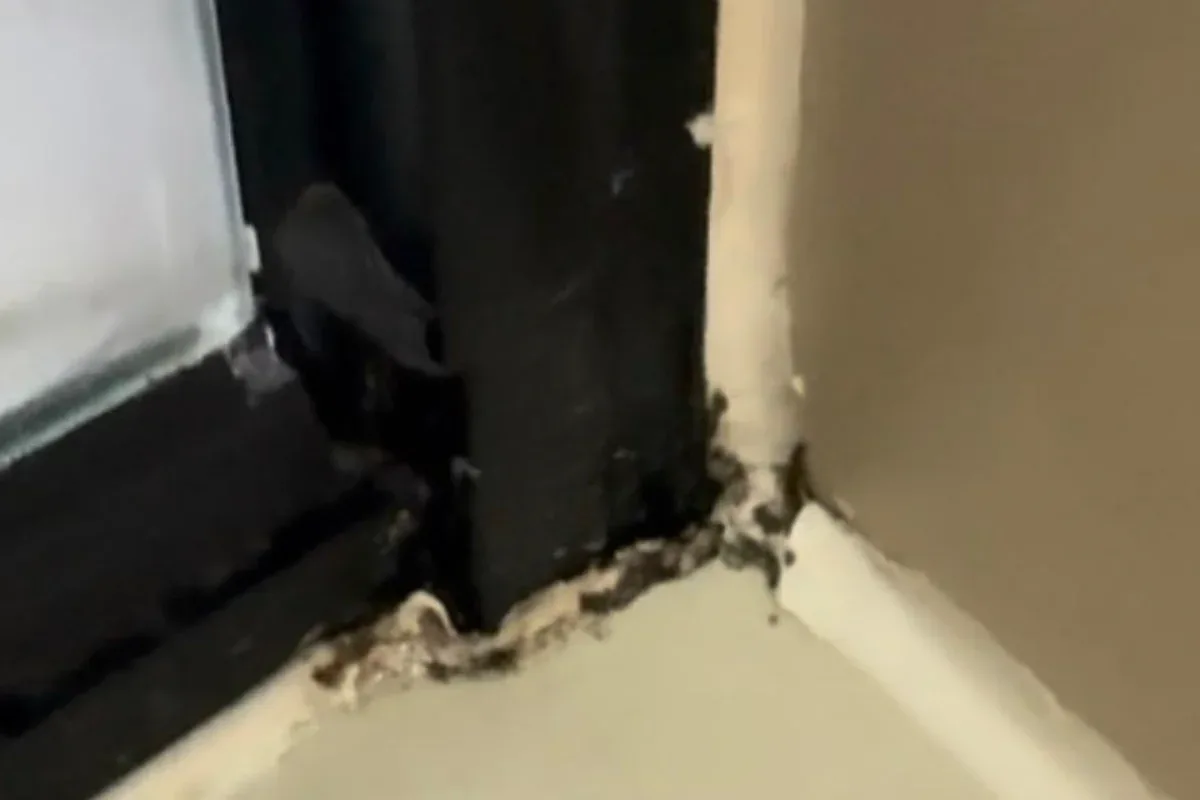
Mould coming back in the joint: scrubbing is not enough
Black specks inside the mass will not leave with chlorine. Bleach fades the colour and leaves the joint more porous; replace it.
-
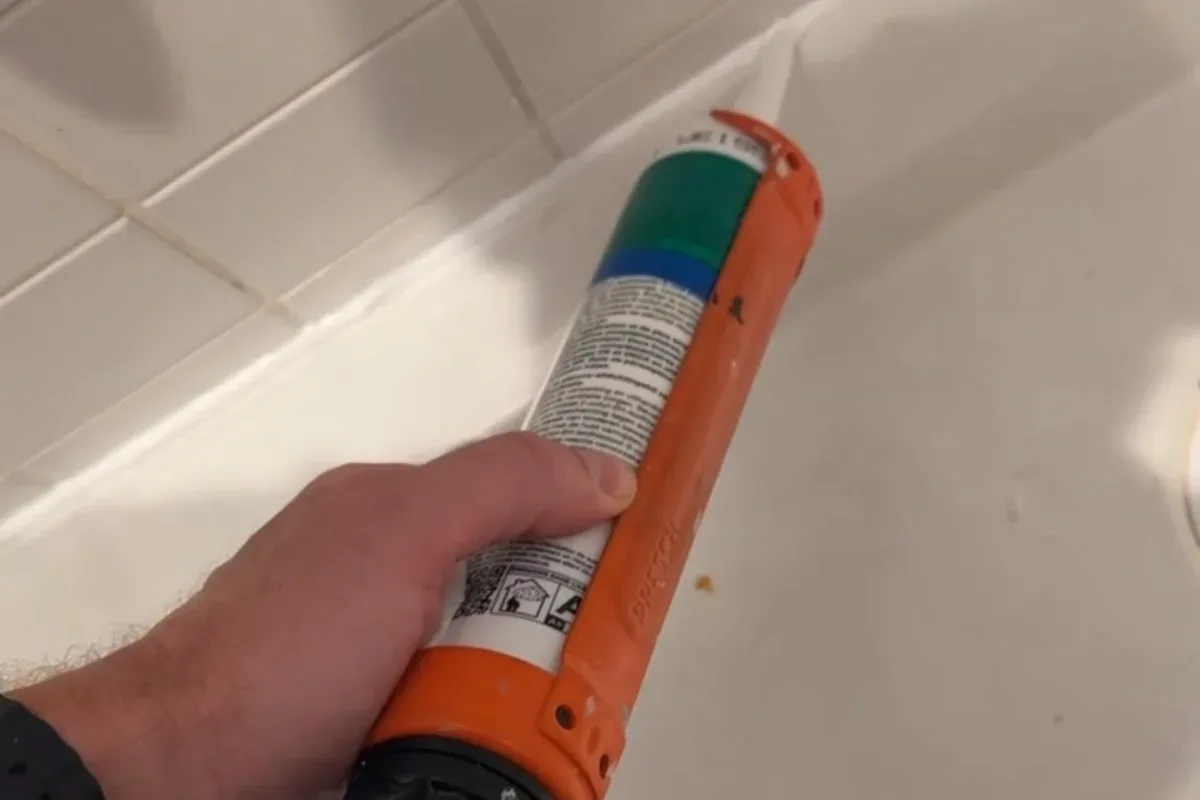
Three-sided adhesion: why a “full” joint tears
If the silicone bonds to both flanks and the back, it cannot stretch; backer rod or bond-breaker tape frees the third face.