
How long a joint really lasts (bath, kitchen, window)
In a shower it is years, not decades. Chlorine, heat and UV kill elasticity before the calendar does.
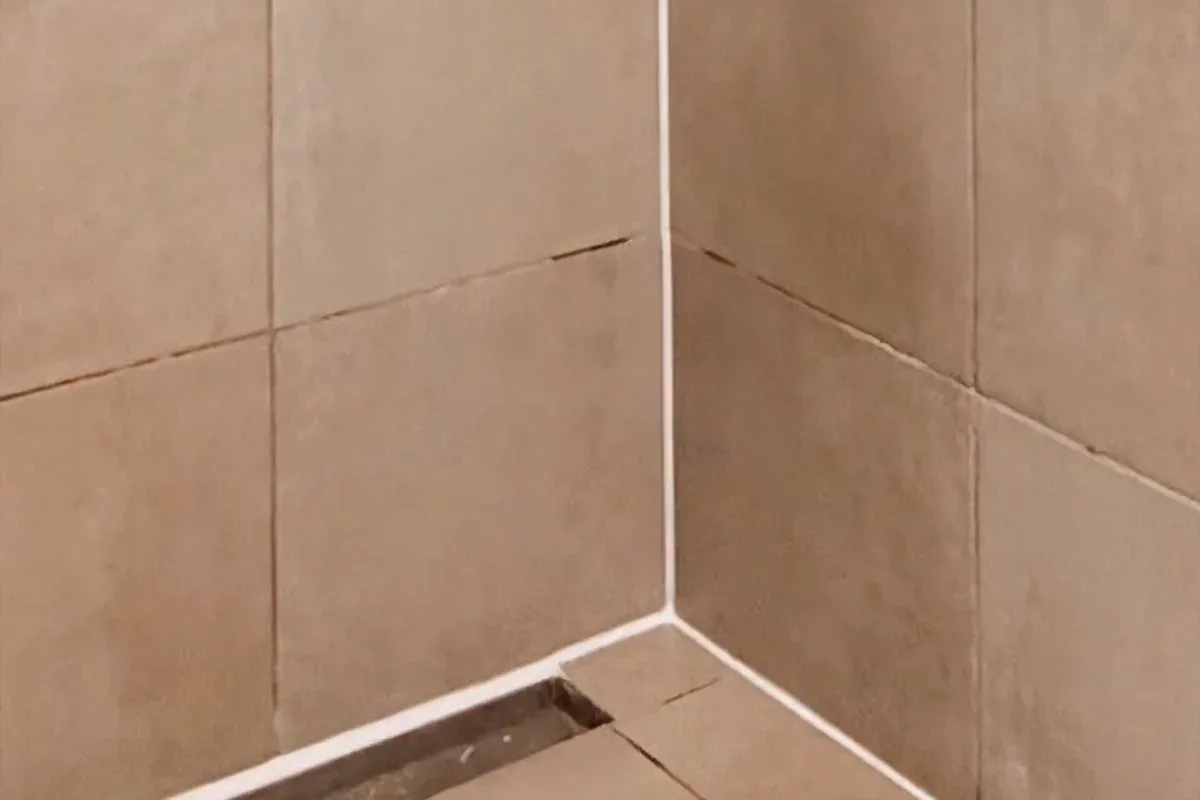
A well-made, well-kept shower joint often lasts about 5–8 years; kitchens a little longer; outside glazing often longer still if product and movement match. There is no universal “fifteen years”.
It is not a use-by date
Silicone does not “expire” on a Tuesday. It loses plasticisers and polymer to heat, soap, chlorine and UV. It goes hard, stops following the substrate and opens or peels. A decent cartridge lasts longer; a filler-heavy one, less. Use beats the label.
The spans below are orders of magnitude, not a guarantee and not a company slogan.
By room, from the job
Shower and wet zone. Often 5–8 years. Soap, skin grease, heat, limescale cleaner. Signs: peel at the tray, mould in the mass, rubber that no longer springs back.
Kitchen worktop. Often 8–12 years if it is not behind a hob that fries. The enemy is grease and heat. It yellows or opens on the back edge.
Windows and glass outside. With a proper glazing sealant and a joint that can move, sometimes 15–25 years. UV and thermal cycling mark it. Crazing or a dusty face: it is finishing.
Movement joints in floors or façades. Often 10–15 years, depending on movement and chemistry. A split down the middle: cohesion; the rubber has nothing left.
When to replace and when to wait
Replace if it has peeled, if there are black specks in the mass, if it is hard like plastic, or if there are hairlines in the corner of the bead. Wait if it is only dirty or a bit yellow and, pressed with a nail, it springs back.
Raking light shows open edges. The nail tells you if it is still alive.
What shortens it
Chlorine: kills fungicides and the rubber. Acrylic in the shower: not for standing water. Over old silicone: months, not years. No primer on a substrate that needs it: it opens in a couple of years. Three-sided adhesion without backer rod: life is halved.
A professional silicone (I use OTTOSEAL in the wet zone) carries fewer fillers; it stays elastic longer. It is not magic: leave it in a puddle and it still fails.
Clear shows more of what sits behind it; colour itself barely changes life.
Exceptions
A neighbour on 10 years and you on 3: almost always cleaning chemistry, ventilation or a badly designed meeting, not “bad luck”. Inspect; do not wait for the stain on the ceiling below.
What I use on this joint
-
OTTOSEAL S100
The sanitary silicone I use on showers and baths. Elastic — not a staining-risk stone silicone.
OTTOSEAL S100 Purchase link not available
-
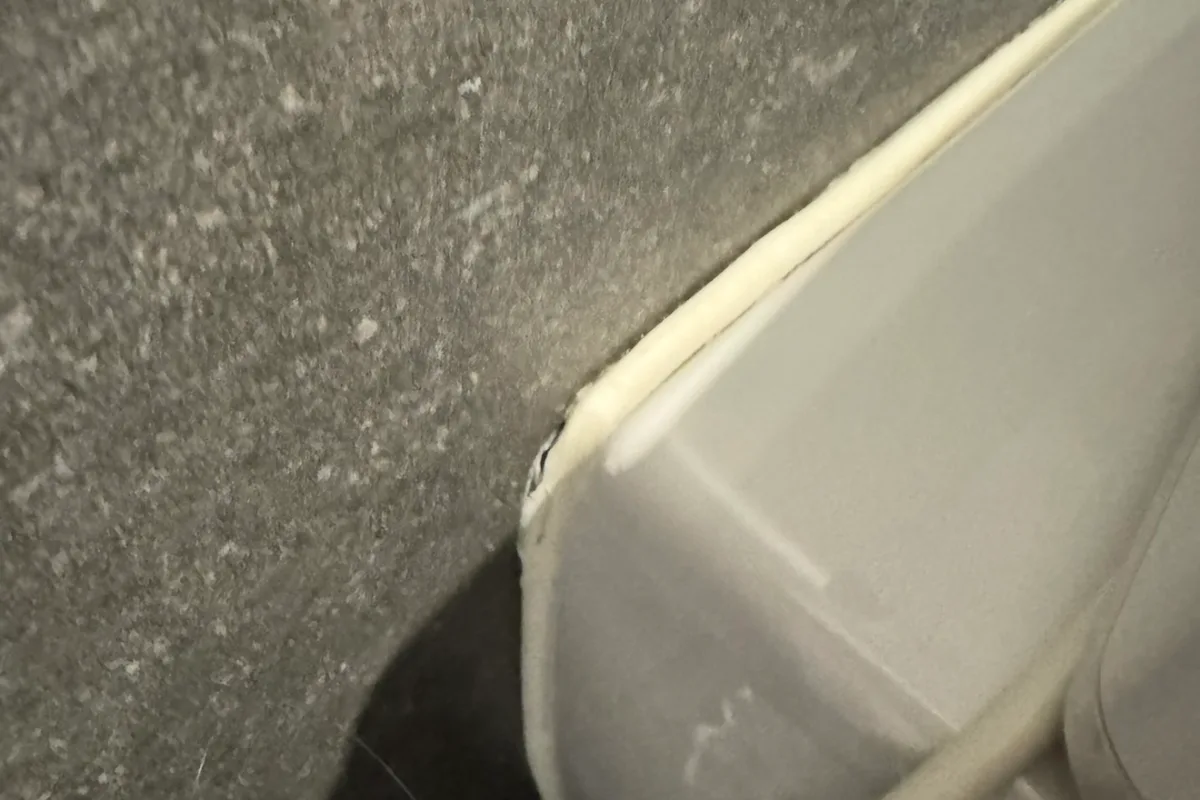
Replace the joint now, or will it last another year?
Mould in the mass or a millimetre loose: now. Only yellow and still elastic: cosmetics. Push it: water may already be behind.
-
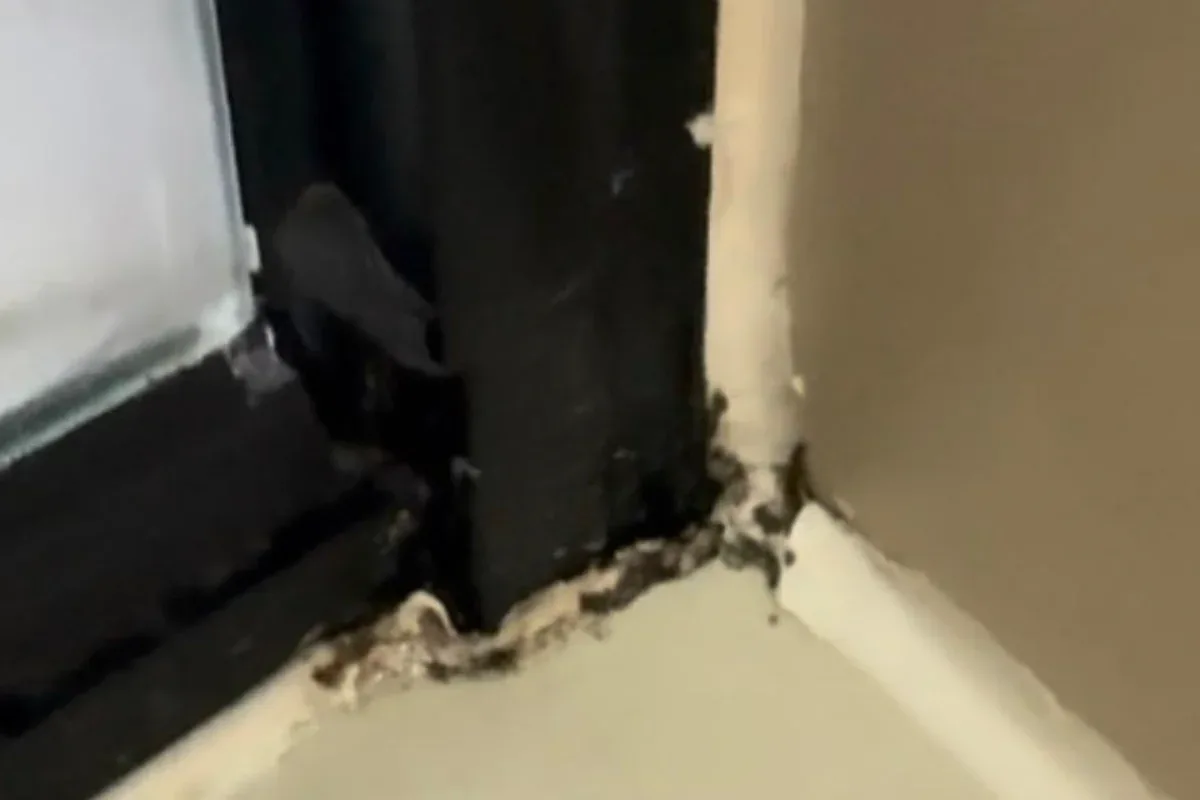
Mould coming back in the joint: scrubbing is not enough
Black specks inside the mass will not leave with chlorine. Bleach fades the colour and leaves the joint more porous; replace it.
-
Why white silicone turns yellow
Even yellowing is chemistry, not dirt. Bleach and hard scrubbing often make it worse; the only reset is cut and replace.