
Mould coming back in the joint: scrubbing is not enough
Black specks inside the mass will not leave with chlorine. Bleach fades the colour and leaves the joint more porous; replace it.
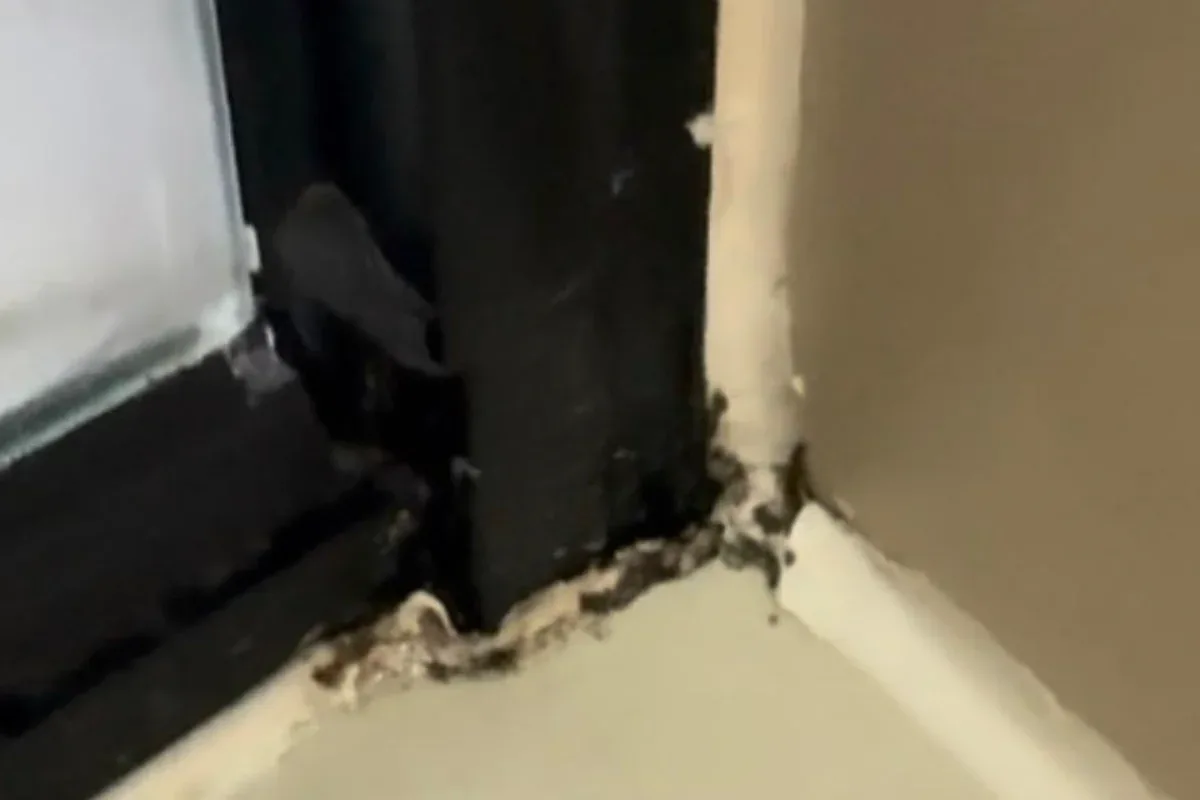
Mould on the surface: wash with a neutral soap and dry. Specks in the mass: cut it out and replace. Chlorine bleaches the stain and wrecks the silicone; the mould comes back sooner and deeper.
On the surface or in the mass
A grey film that lifts with a neutral soap and a cloth is dirt. Black specks that will not go, or that return in the same spots the next day, are in the silicone. No spray will rescue that. The colony is in the mass.
Scrubbing with chlorine or aggressive mould killers fades the colour. It also roughens the surface, washes out the fungicides and leaves the joint like a sponge. Mould goes deeper. It looks “clean”. Technically the joint is finished.
Why chlorine makes it worse
Chlorine attacks the polymer chains. The face stops being smooth and water-shedding. A barrier becomes porous. The fungicides in a decent sanitary silicone are neutralised or rinsed away.
No sealant is “mould-proof” if you leave it standing in water. Fungicides help; still water wins. A hollow bead at the tray, where soap sits, is a nursery. Drying after a shower does more than any label promise.
When to clean and when to replace
Clean if the mould is on top, the joint is still elastic and it has not peeled. Neutral soap, rinse, dry. Ventilation that actually extracts.
Replace if the specks are in the mass, the bead is soft or cracked, or a push opens the flank. Cut back to the substrate. Clean the joint thoroughly — spores in old backer rod count too: replace the rod if it was there. Let it dry. Fresh sanitary silicone, tooled flat or to drain, no gutter.
On glazed ceramic I use OTTOSEAL S100. On acrylic or natural stone, a neutral chemistry made for that substrate: strong acetoxy is not a wild card.
Chemistry by substrate
In a wet tiled zone, an acetoxy system (vinegar smell while it cures) has a natural edge against biology during cure. On acrylic, aluminium or stone, that same acid can mark or craze. An acrylic bath, an aluminium profile and ceramic in one room do not all want the same cartridge.
A “universal” hybrid in the shower often moulds first. Do not run one tube through the whole house.
How not to land in the same place
Dry the joint after you shower. Keep the extract fan clean and running. Do not leave water in a channel. Do not bleach a pitted joint back to life.
Cleaning vinegar on some neutral silicones attacks the bond. If you clean, use a mild sanitary cleaner, not a bathroom cocktail.
Exceptions
Soap scum is not a colony. A colony in the mass will not bleach into a new joint. If the tray sags and water sits, replace the bead and look at the support — otherwise the mould is back in months.
What I use on this joint
-
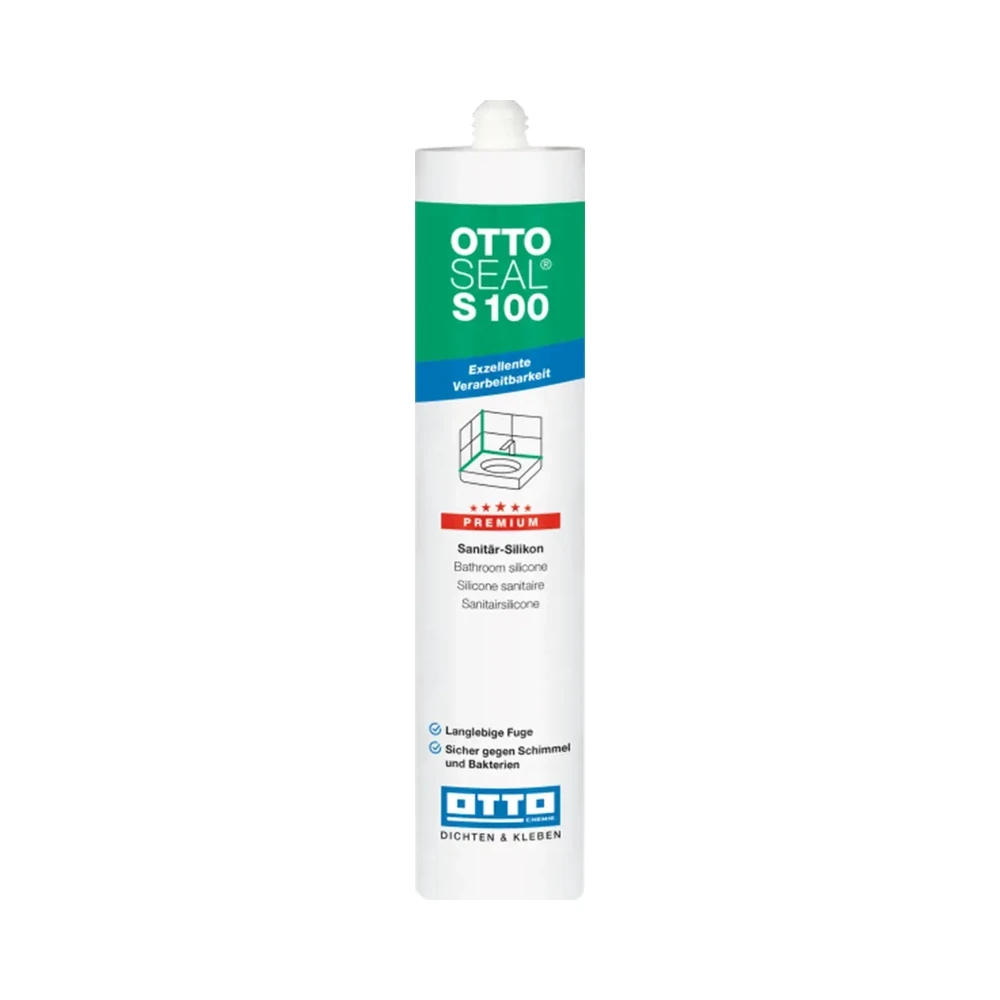
OTTOSEAL S100
The sanitary silicone I use on showers and baths. Elastic — not a staining-risk stone silicone.
OTTOSEAL S100 Purchase link not available -
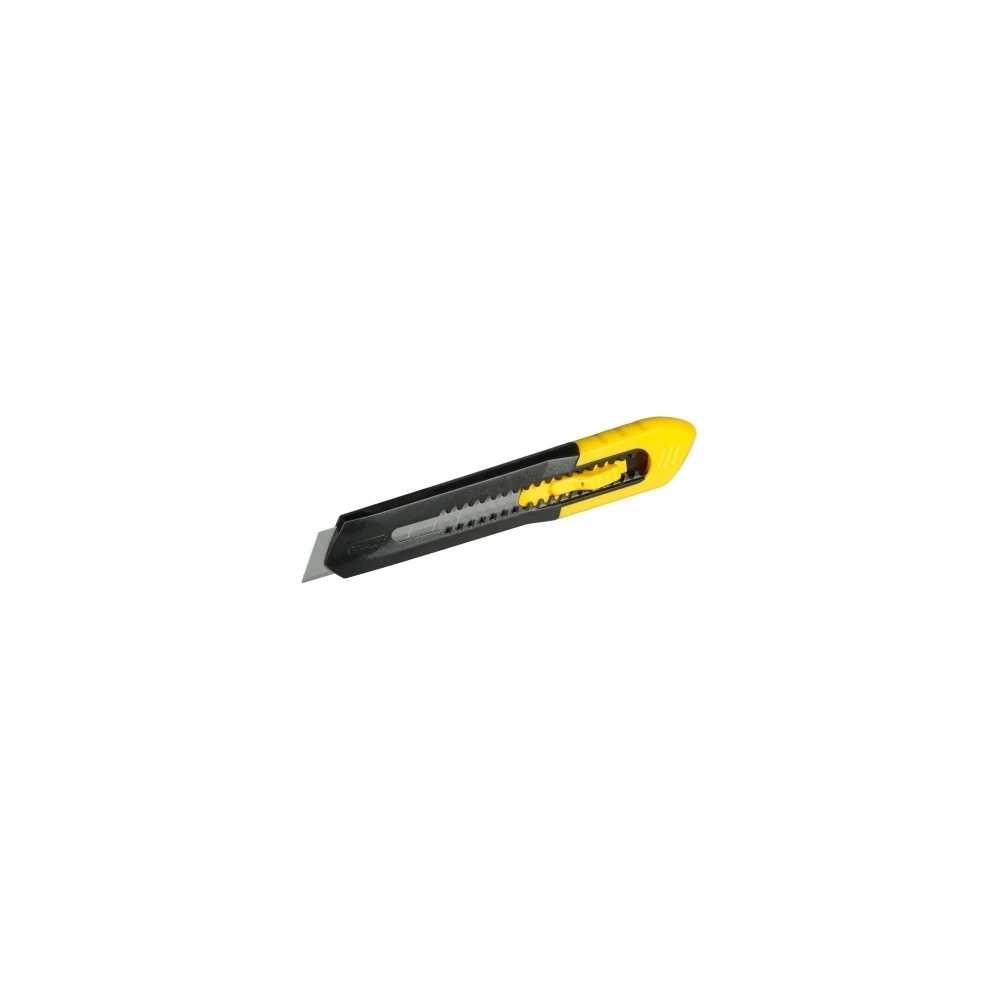
Stanley cutter
Cutter for cutting and lifting old silicone with control.
-
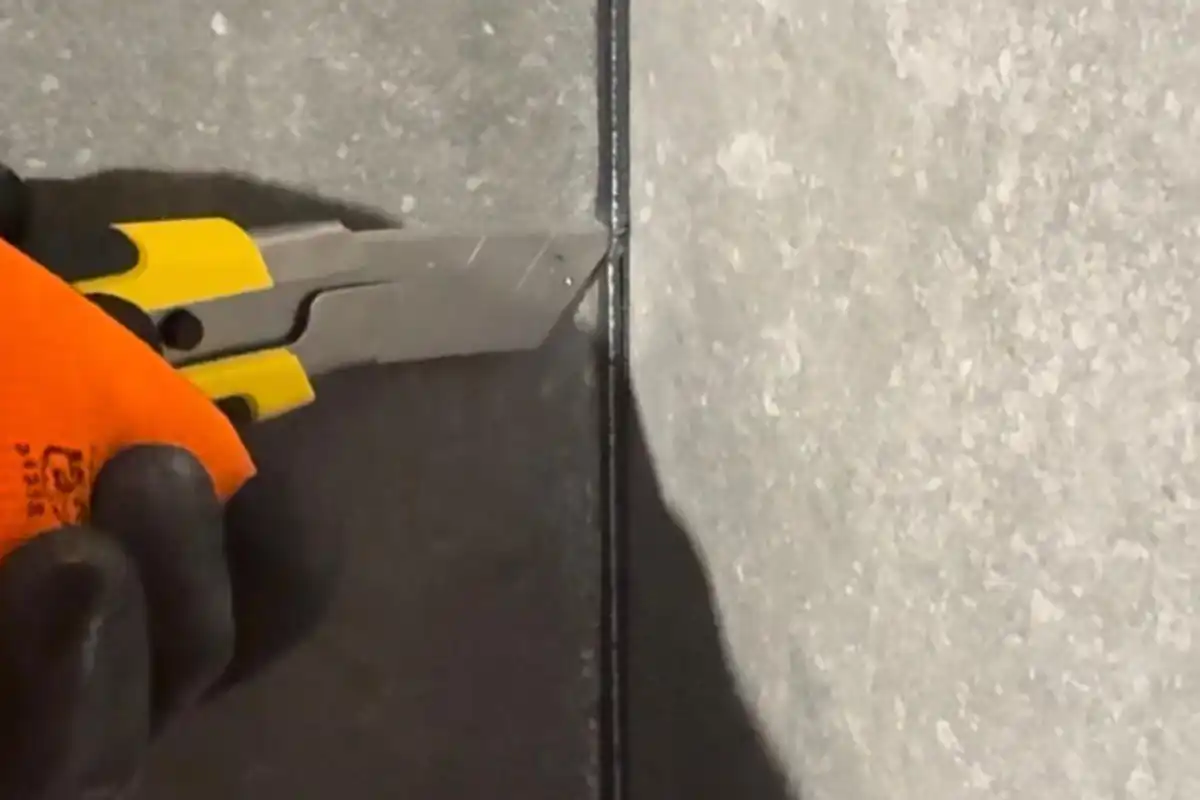
Removing old silicone: why “looks clean” is not enough
New silicone will not bond to an invisible oil film. Cut the mass, break the residue, then degrease — without scratching acrylic.
-
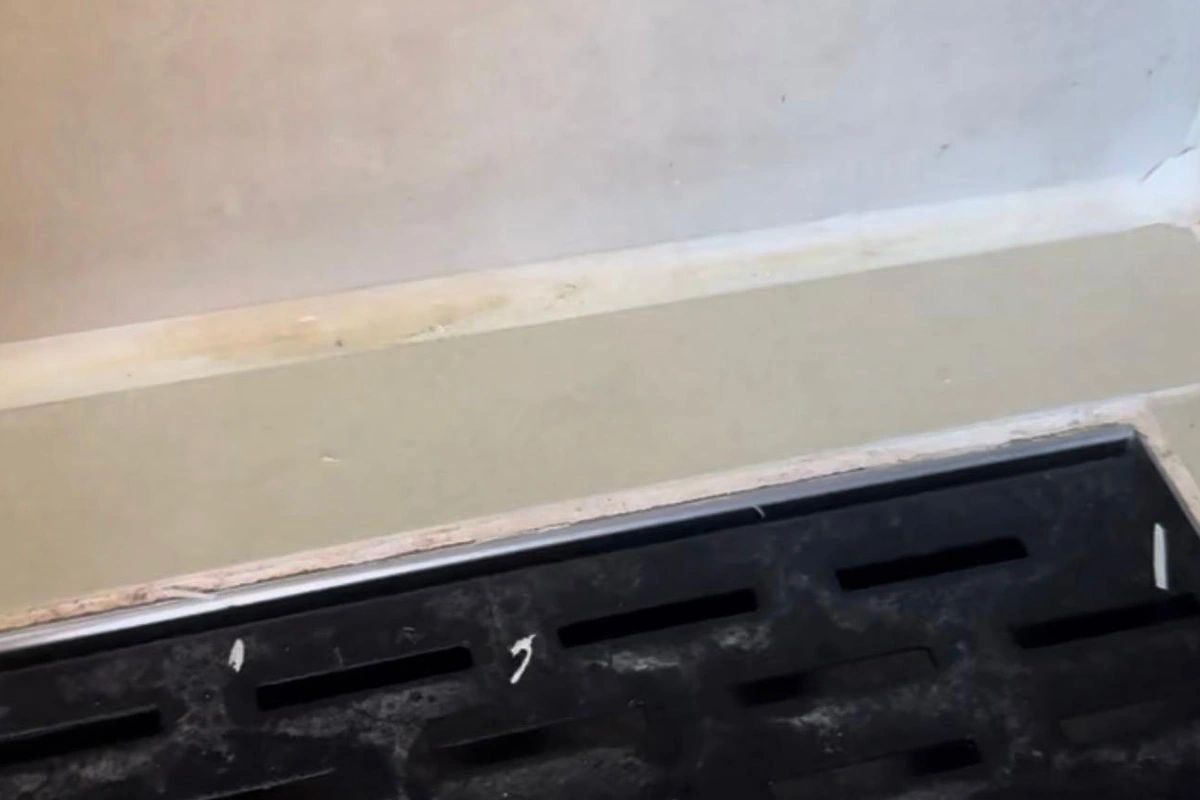
Why white silicone turns yellow
Even yellowing is chemistry, not dirt. Bleach and hard scrubbing often make it worse; the only reset is cut and replace.
-
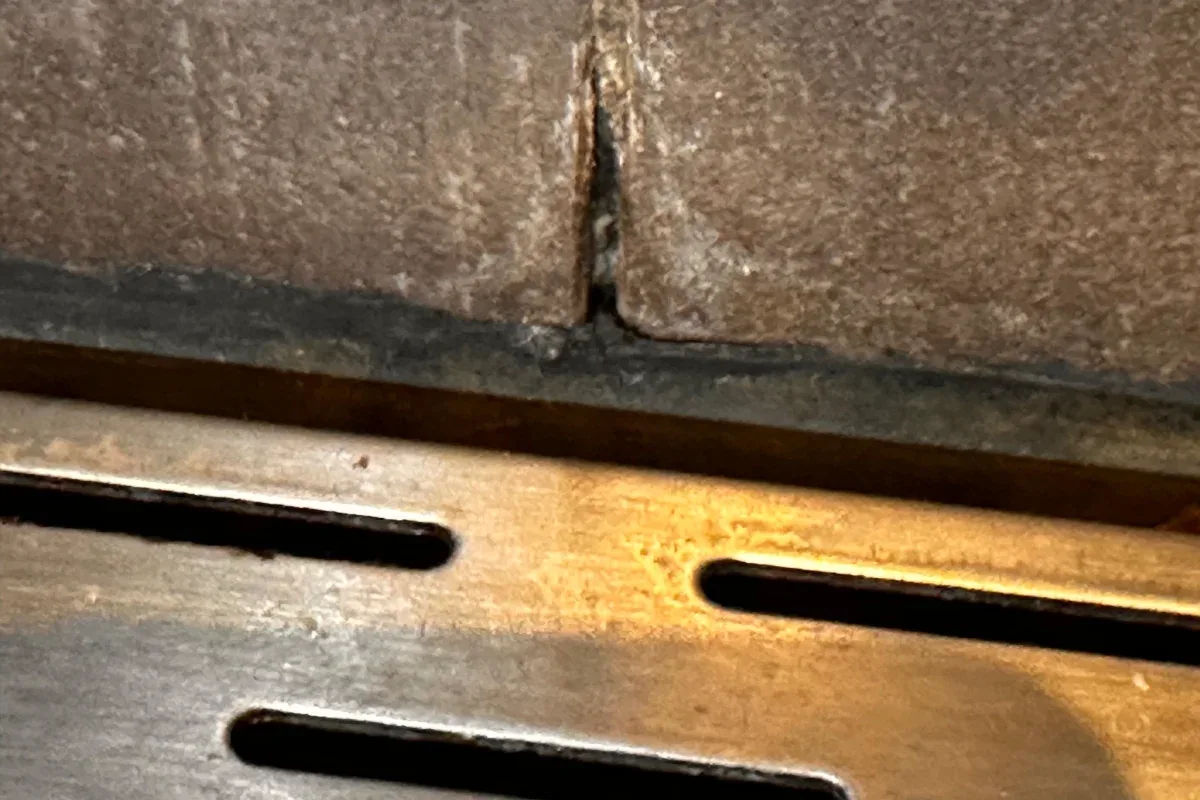
A hollow or ragged joint: the finger and the washing-up liquid
A fingertip leaves a gutter where water sits. Washing-up liquid attacks the still-wet flank and a thin smear frays.