
Getting silicone off glass, tile and clothes
Cut first, chemistry second; WD-40 loosens the bead and leaves a film the new joint will not grab.
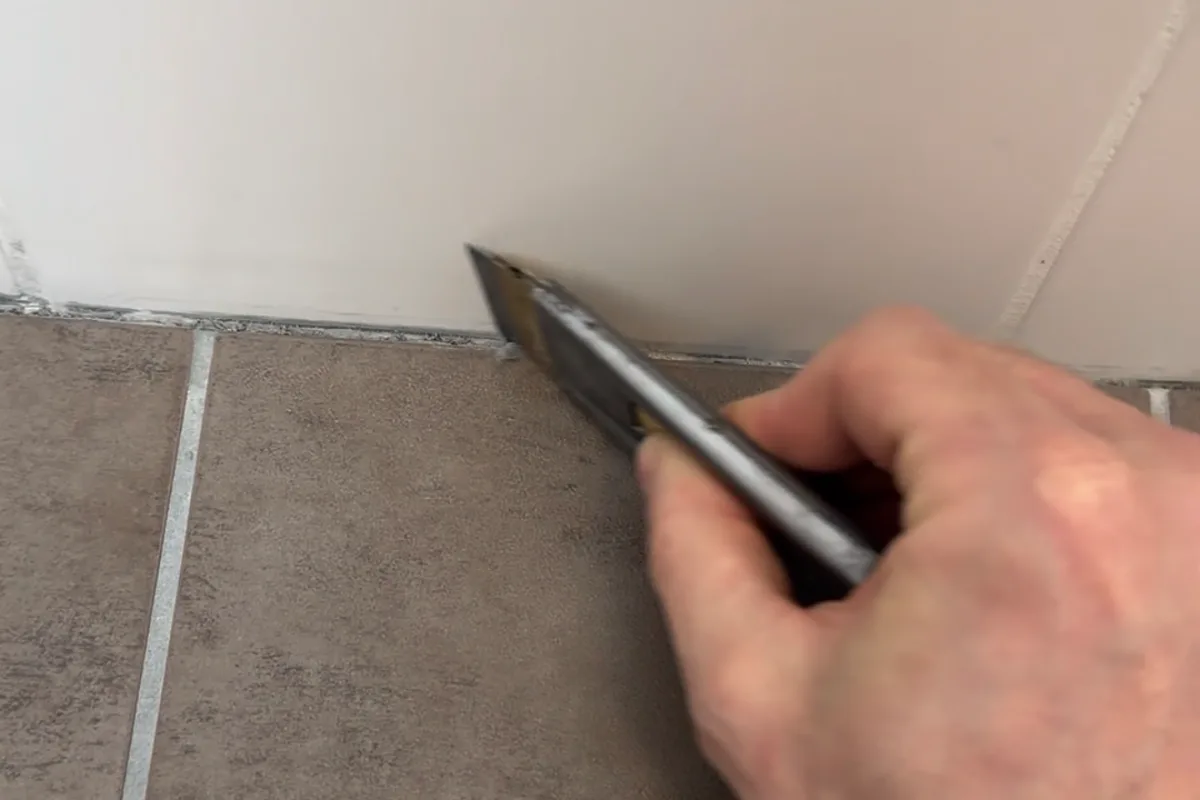
On glass, a flat scraper. On tile, cut, silicone remover, then a technical cleaner. On clothes, let it cure and pick it off; do not rub wet silicone into the fibres.
The substrate decides
A smear while tooling, or an old mouldy joint: silicone is designed not to let go. Taking it off is careful work. In a panic people reach for WD-40, white spirit or vinegar. That often scratches the surface or leaves a greasy film, and the new bead will not bond.
If you are going to reseal, the substrate has to be free of residue. Cured silicone does not stick to cured silicone (except wet-on-wet in the same pass). A microscopic film is enough for a cohesive tear and, in a shower, a leak. The order I use is three steps: mechanical (cut), chemical (soften what is left) and degrease with a technical cleaner. Not with white spirit.
How, by surface
Glass. A glass scraper, blade kept flat, low angle — under about 15 degrees. A blunt blade or the edge on end scratches. The bulk comes off with the blade. Haze often yields to a glass sponge or a little spirit on a cloth: glass is not porous.
Tile and sanitary ware. Cut as close to the edge as you can. On the haze, a silicone remover (I use OTTO Sil-Kill) and leave it 30 to 60 minutes. Scrape with a wooden or plastic spatula. Then clean thoroughly with a non-greasy cleaner so you lift the chemistry as well. A white non-scratch pad, not a green scourer on glaze.
No acetone on acrylic. On an acrylic bath or tray, acetone softens the plastic: it stays dull. Heat from a hairdryer softens silicone a little and barely helps; on acrylic you warp the ware before the bead lets go.
Clothes. Do not rub wet silicone: you push oil into the fibre and the stain stays. Let it cure. On denim, an ice cube makes the bead brittle; pick it with a nail or a blunt knife. No solvents: they spread the mark. Silk and wool: the chemistry that dissolves silicone also wrecks the fibre. That is a specialist cleaner, and sometimes there is no save.
What I do not use
WD-40 and white spirit loosen the bead and leave grease in the pore. Fresh silicone will not grab. Household vinegar does not dissolve cured silicone: it smells and does not do the job. The acetic cure in a sanitary silicone (S100) is not the same product as kitchen vinegar.
On a large strip-out, a multitool with a joint blade saves time. Steady hand: nick the glaze and you have done it.
Exceptions
Residue in silk or wool is not a gun job or a site remover job. Haze on glass does not need the same chemistry as a porous tile. And if you skip the degrease after the remover, you have swapped one problem for another.
What I use on this joint
-
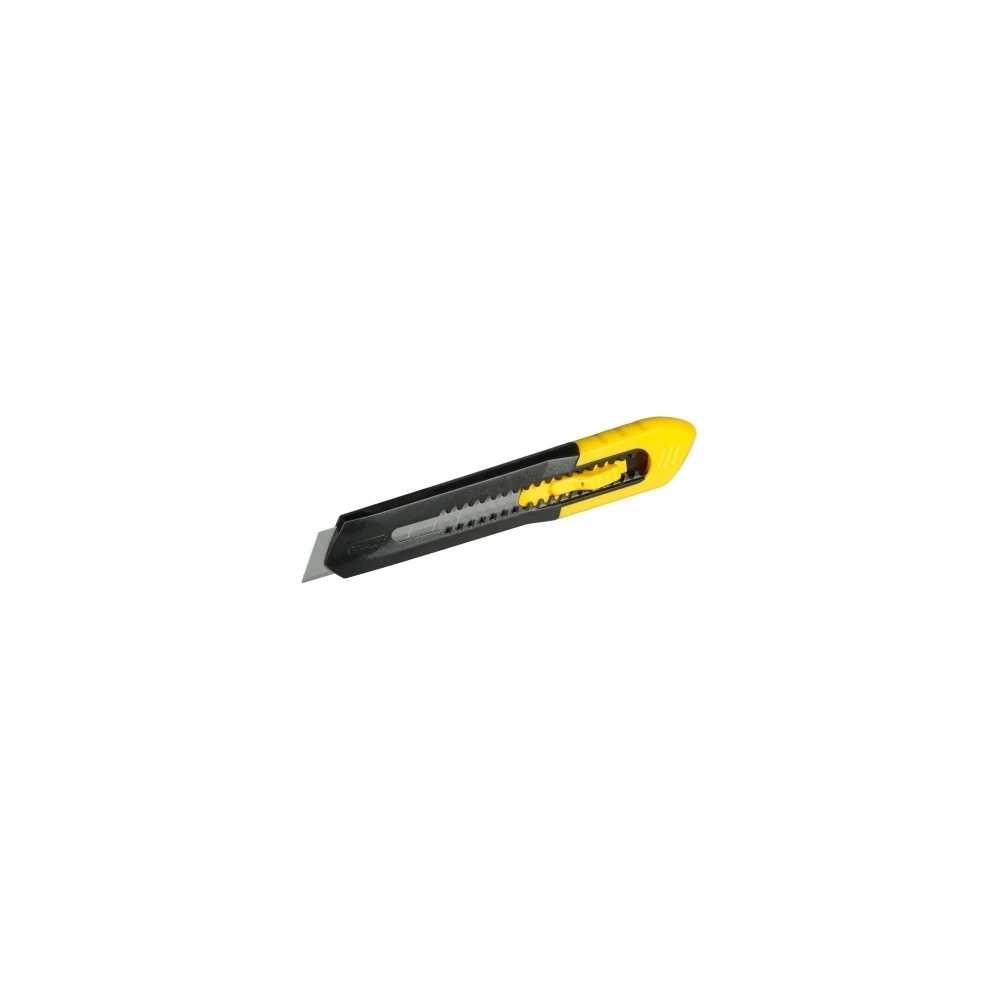
Stanley cutter
Cutter for cutting and lifting old silicone with control.
-
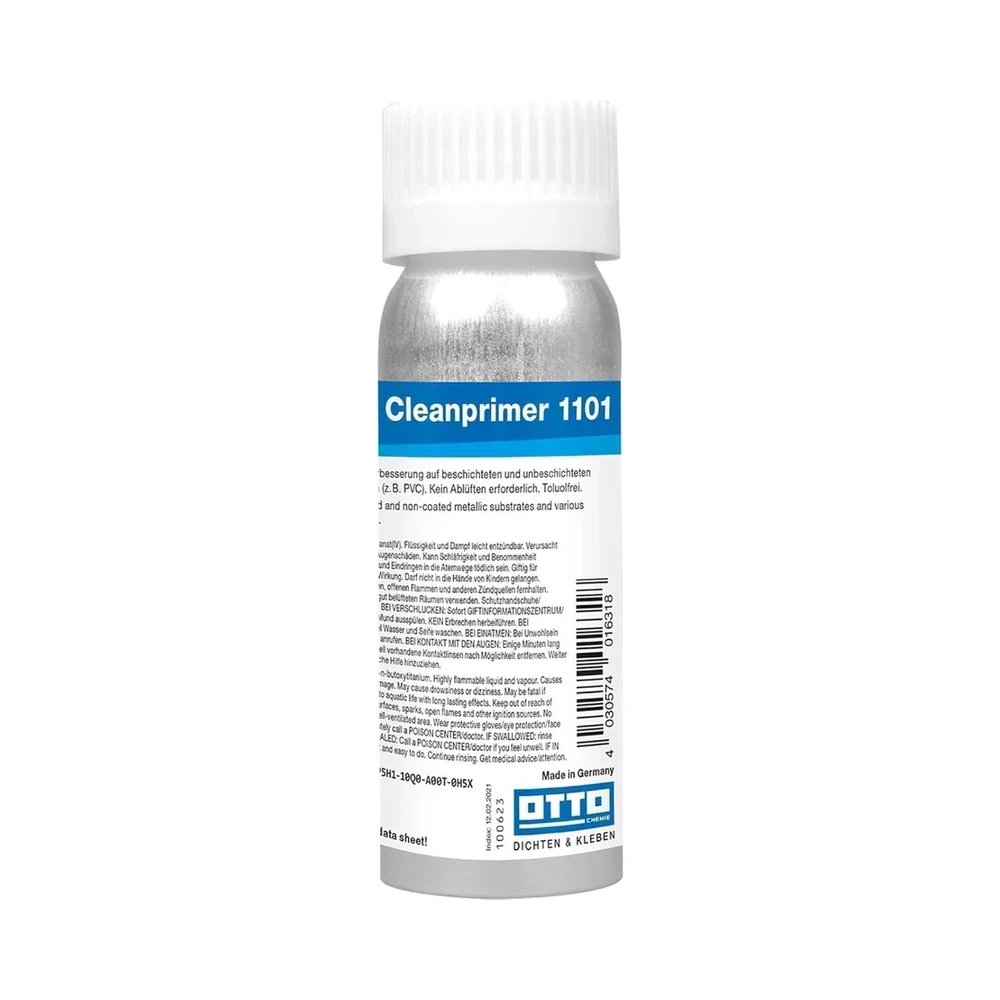
OTTO Cleaner / Cleanprimer
The technical cleaner I use to prep the substrate before sealing.
OTTO Cleaner / Cleanprimer Purchase link not available
-
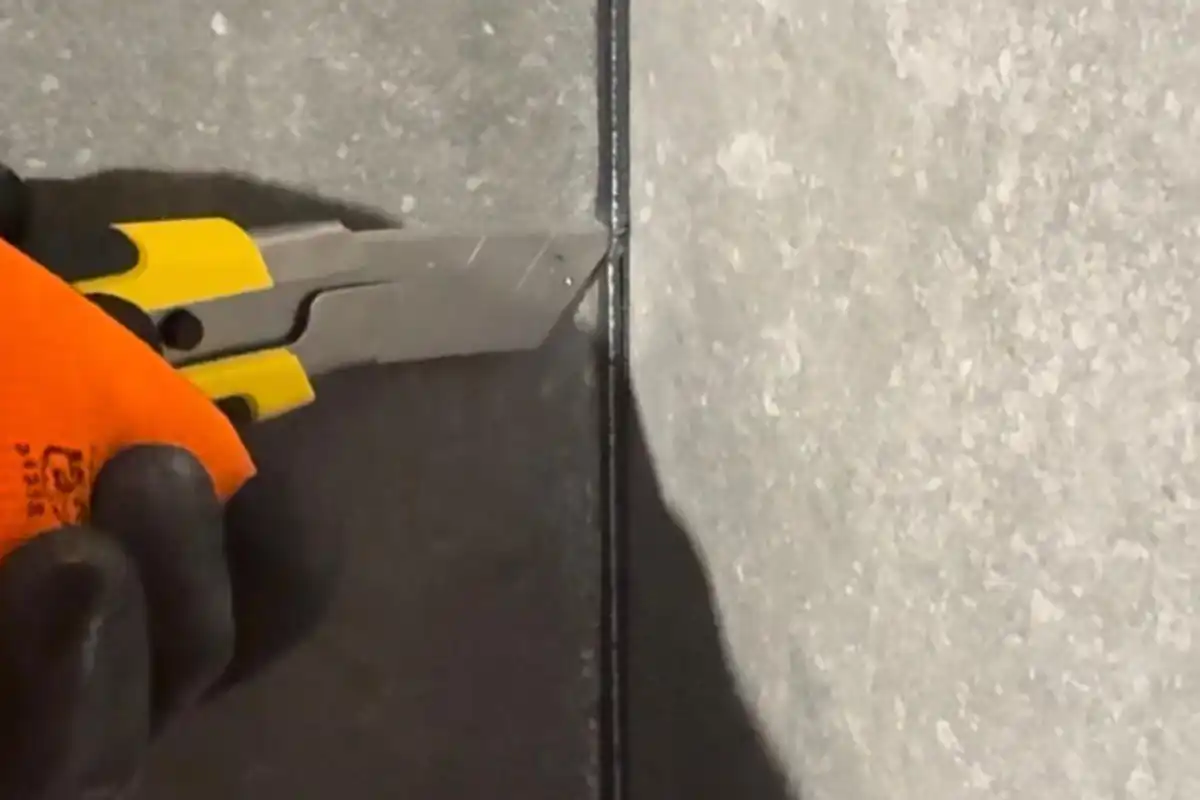
Removing old silicone: why “looks clean” is not enough
New silicone will not bond to an invisible oil film. Cut the mass, break the residue, then degrease — without scratching acrylic.
-
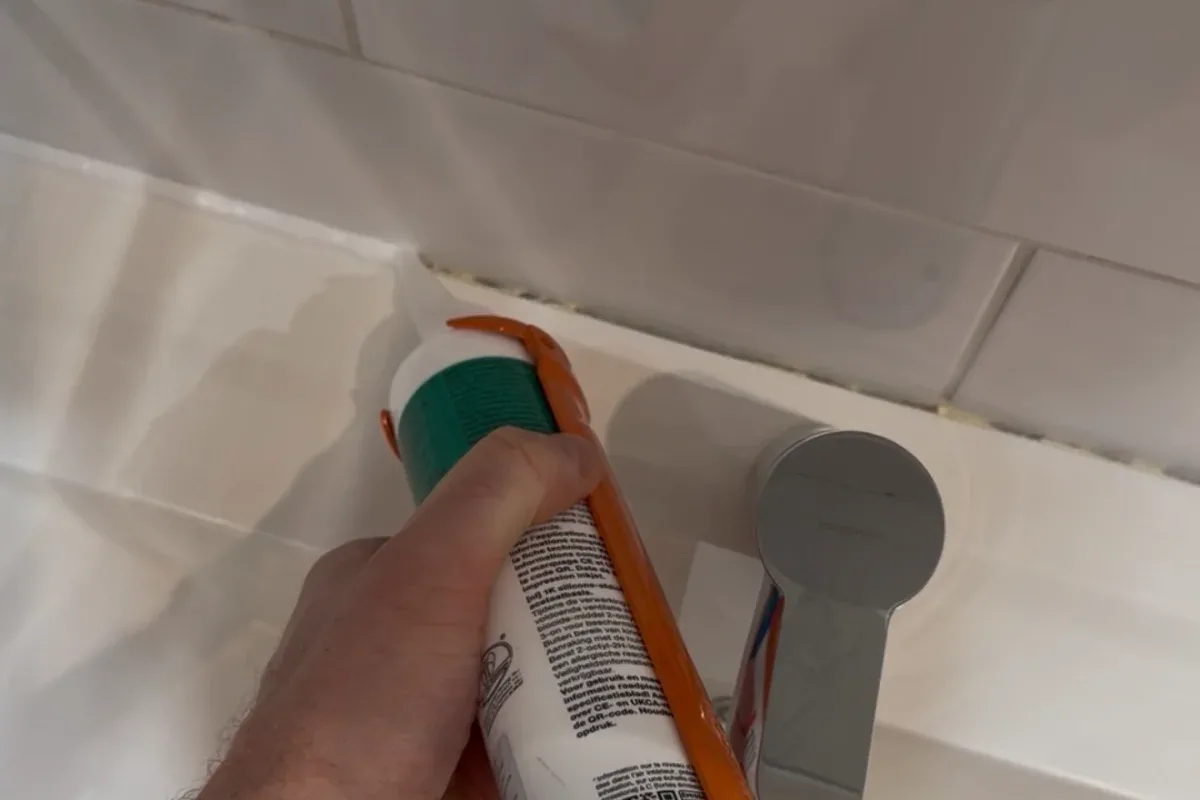
Can I put new silicone over the old layer?
Cured silicone will not take a chemical bond. You get a cold joint and water creeps between the layers.
-

Why silicone peels: adhesion, primers and a clean substrate
If the bead peels leaving the tile clean, it never bonded. Greasy household cleaners, damp faces and skipped primer are the usual reasons.