
How wide a silicone joint can be
In a bathroom the useful range is usually 5–15 mm; under that there is no body, and beyond about 20 mm it is no longer a cartridge job.
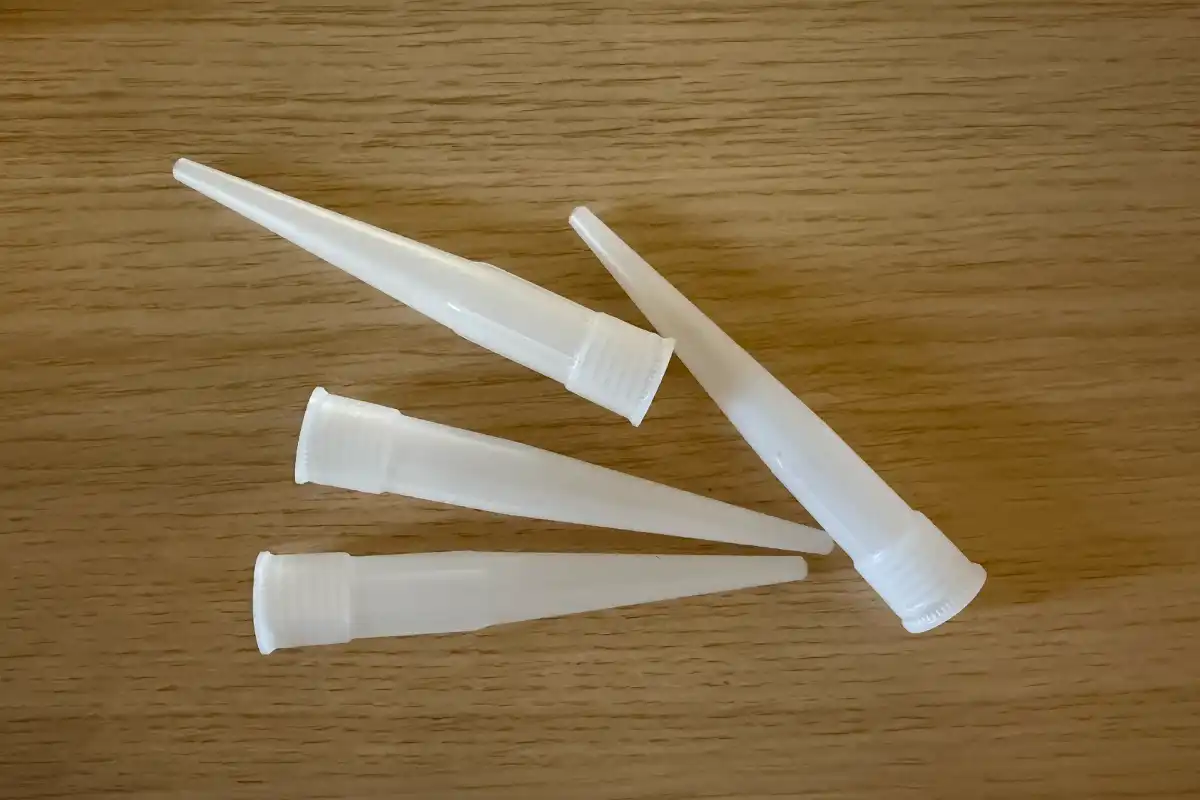
Between 5 and 12 mm the joint works comfortably. From 12 to 20 mm you need backer rod. Under 5 mm it tears. Over about 25 mm is a building detail, not more paste.
The practical range
An elastic bathroom or kitchen joint usually lives well between 5 and 15 mm wide. Under 5 mm there is almost no body: the first movement of the building peels it. Between 12 and 20 mm it is still possible if you limit depth with closed-cell PE backer rod. Beyond about 20–25 mm the mass sags and no longer recovers. A gap of 25 mm or more I do not close with silicone: a cover strip, plaster, carpentry adjustment or whatever the build needs, then a closing joint.
Flooding a hole with more paste does not make it stronger. The opposite: the deeper you gun blindly, the sooner it fails. That is three-sided adhesion: the sealant sticks to both flanks and the back, and cannot stretch.
Width and depth
Depth has to follow width. As a workshop habit, not a promise for every cartridge:
- about 5 mm wide wants on the order of 6 mm of silicone;
- about 10 mm, around 8 mm deep;
- about 15 mm, around 10 mm.
On wider joints, a common rule is depth close to half the width, with a minimum of about 6 mm. If the void is deeper than that section, backer rod goes in: it frees the third face, gives something to tool against, and stops the bead sinking.
PE rod is usually 20–30 % fatter than the gap so it wedges. Do not pierce it: gas opens bubbles in the fresh silicone.
How I do it
- Measure width and depth. Over 25 mm: reduce the gap first.
- Push the backer rod in.
- Degrease the flanks. Primer if the substrate is critical or absorbent.
- Cut the nozzle to the width. Fill from the back, without voids.
- Tool with a spatula a millimetre wider than the joint.
In a bathroom, sanitary silicone. On floor or building joints, often an elastic hybrid with decent movement capacity — typical classes sit around 20–25 %, which is a product class, not a guarantee for that joint.
Common mistakes
Without backer rod the bead slumps, you burn a cartridge, and it tears. A 2–3 mm hairline is not an elastic joint. A 30 mm hole is not “filled” with silicone.
Exceptions
A junction that moves more than the sealant can take wants a movement profile, not more depth of paste. Backer rod does not turn a structural hole into a bathroom joint.
What I use on this joint
-
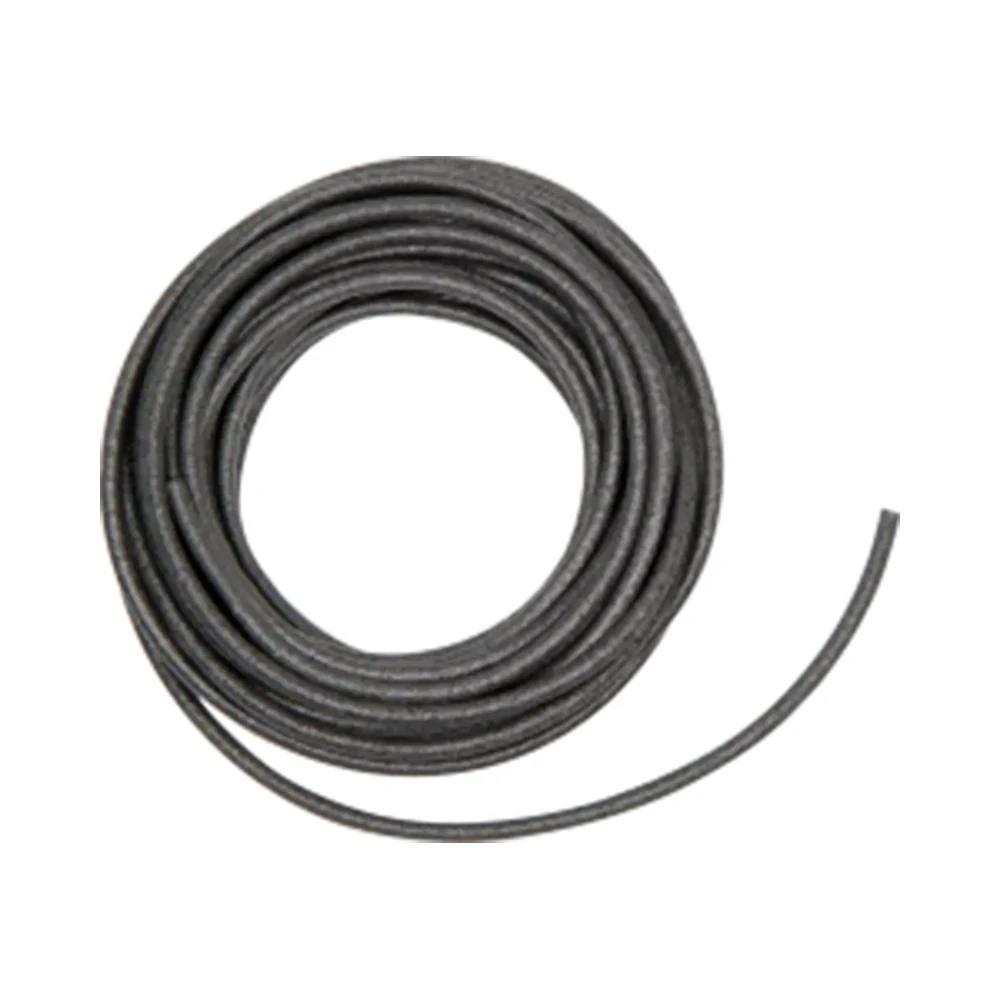
Backer rod
Closed-cell PE rod to control depth and prevent three-sided adhesion.
-
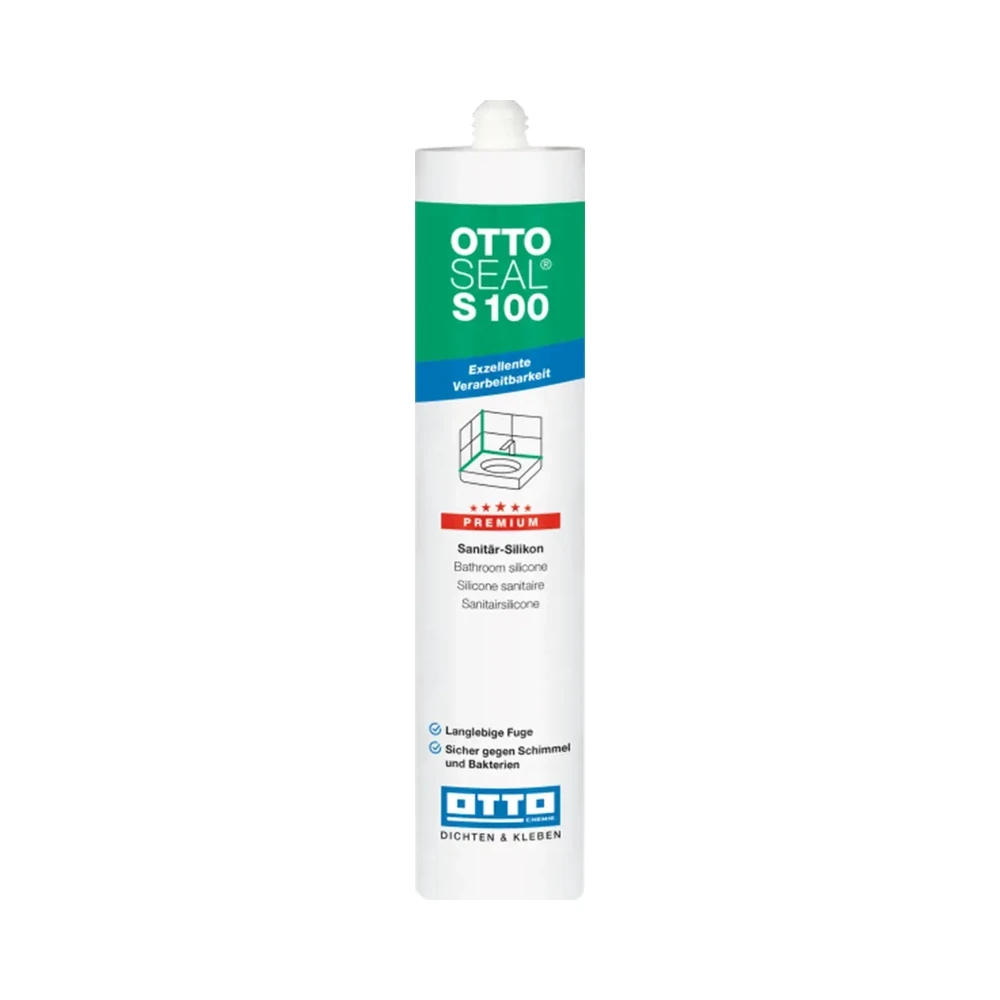
OTTOSEAL S100
The sanitary silicone I use on showers and baths. Elastic — not a staining-risk stone silicone.
OTTOSEAL S100 Purchase link not available
-
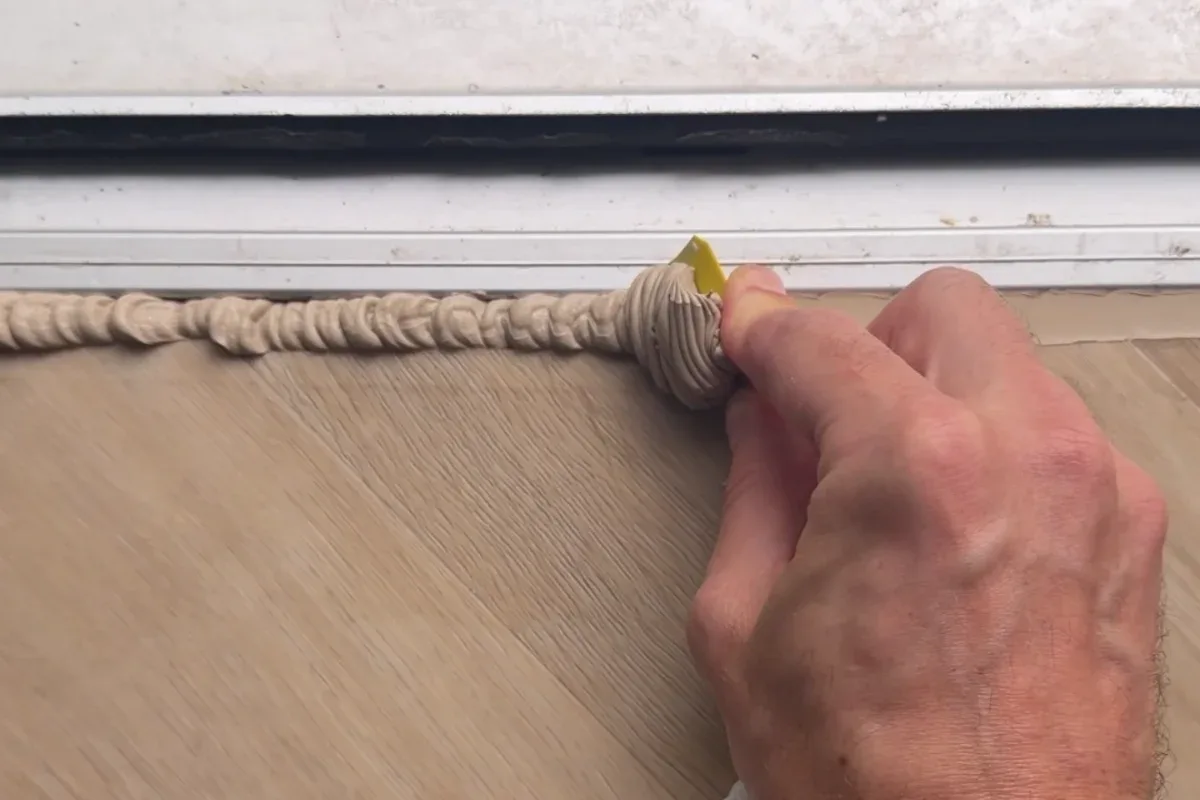
How deep the joint should be: more silicone is not stronger
Up to about 10 mm wide, depth close to width (minimum about 5 mm). Wider: limit depth with PE backer rod.
-
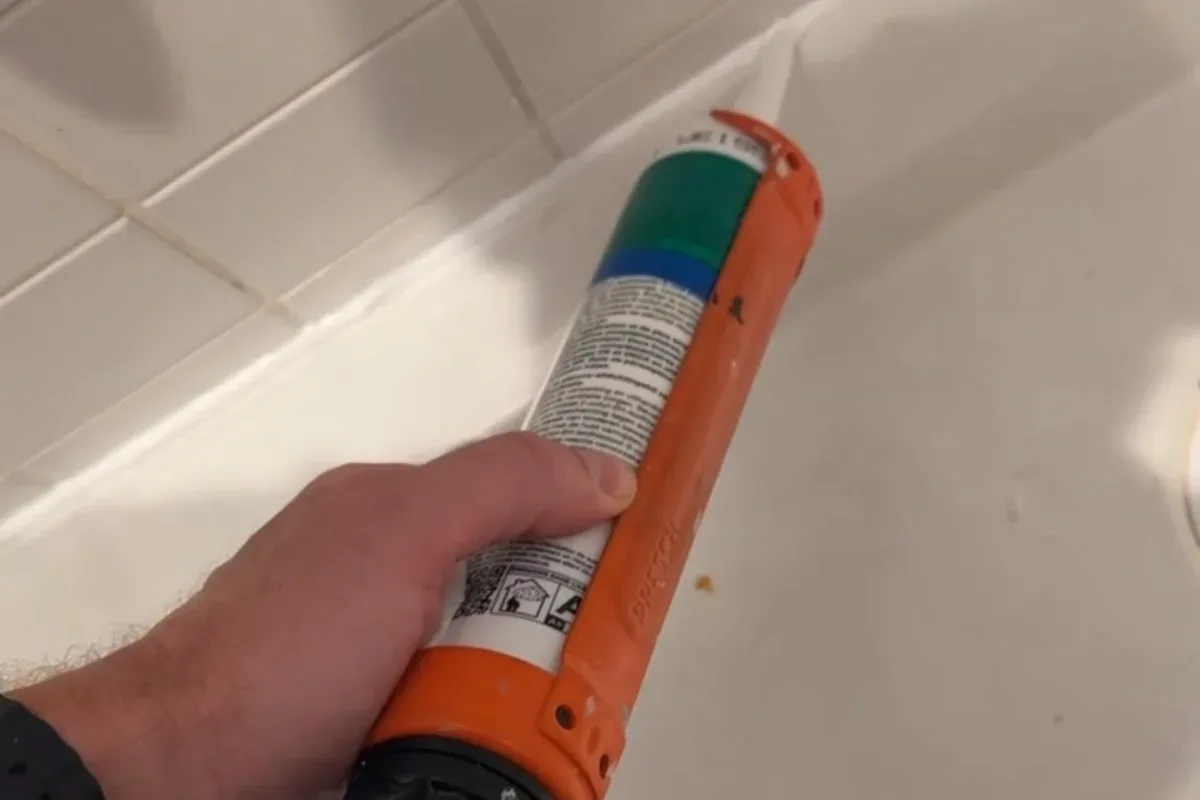
Three-sided adhesion: why a “full” joint tears
If the silicone bonds to both flanks and the back, it cannot stretch; backer rod or bond-breaker tape frees the third face.
-
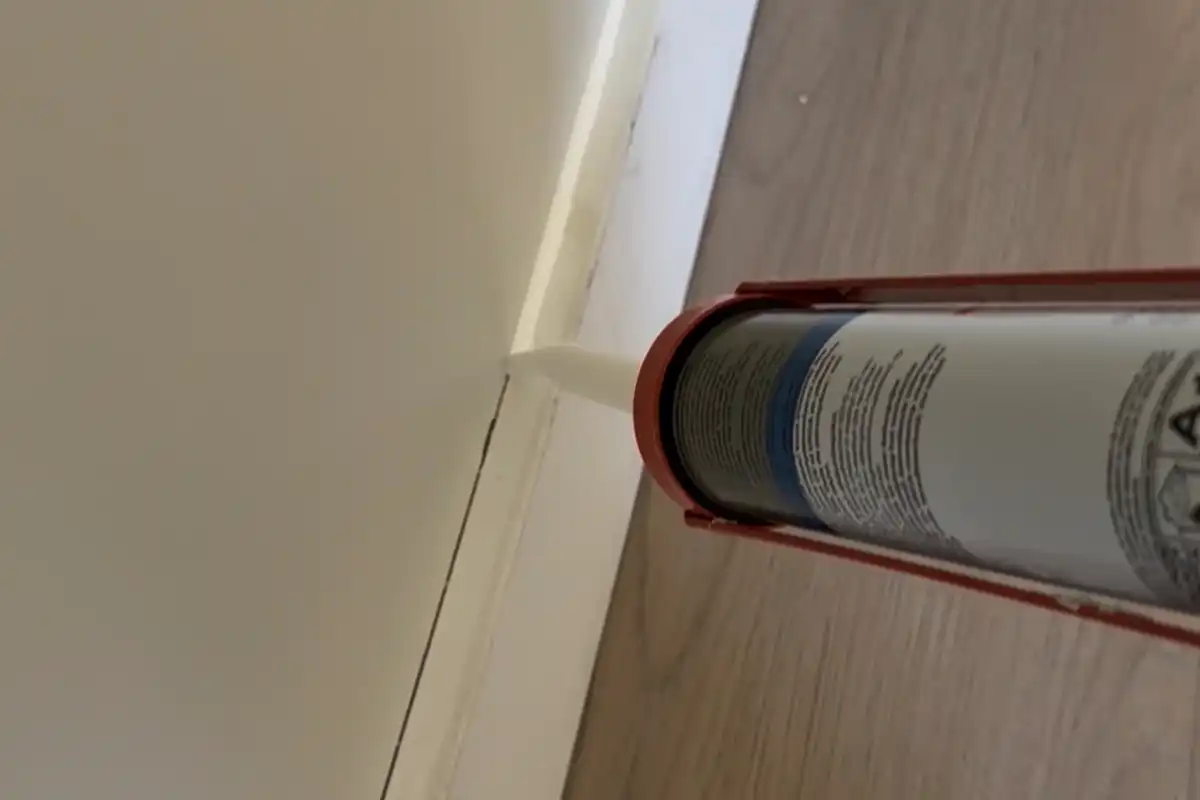
How many metres you get from a cartridge
Volume is millilitres divided by width times depth in millimetres. On paper a 310 ml cartridge at 6×6 mm is about 8.6 m; on site you lose some to tooling.