
Can you paint the joint? Silicone no; acrylic yes
Paint pulls off silicone; in the shower you buy the cartridge colour, not a brush.
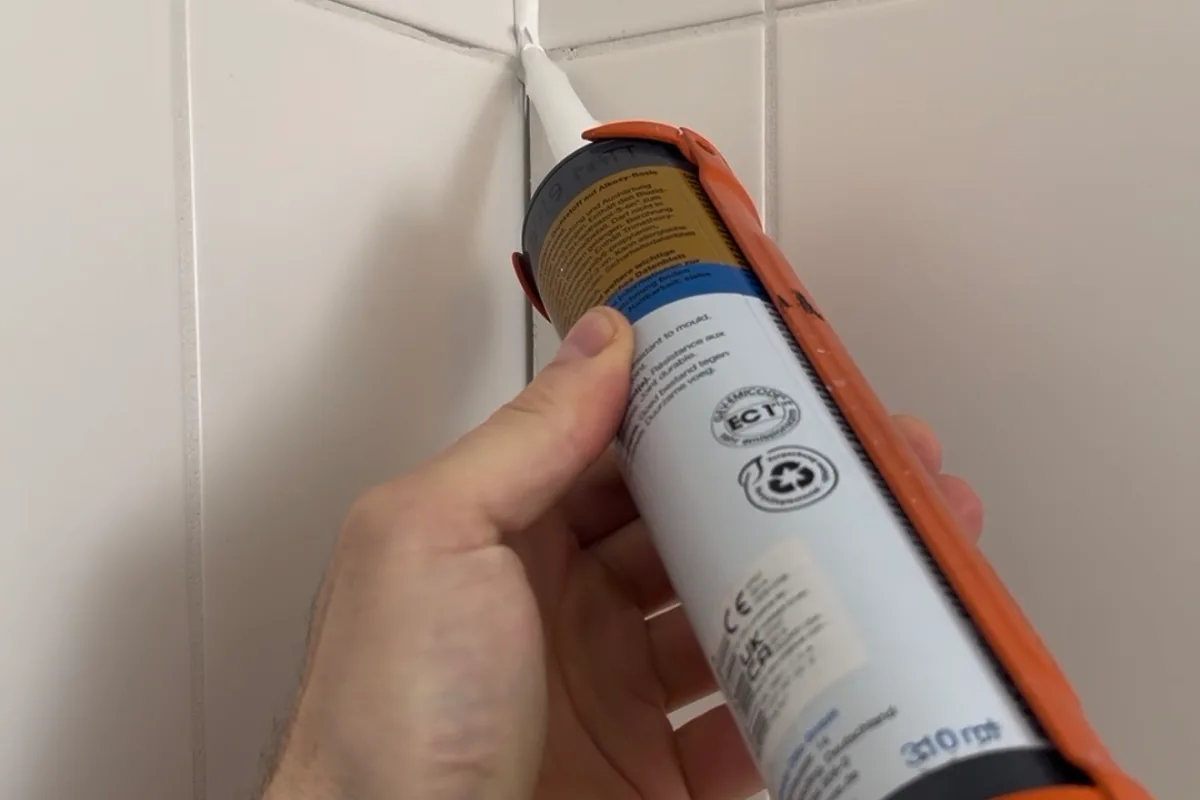
You do not paint silicone: the film beads and will not key. Cured acrylic sealant will take paint. A hybrid can sometimes be painted, and the film may craze when the bead keeps moving.
Silicone: there is no workaround
Low surface tension. Water sits in beads; so does paint. Fish-eyes, islands, a film that lifts after a month. No household primer turns a silicone bead into a paint substrate.
Smearing acrylic over silicone “so it will key” does not work either. Within a month the whole sandwich lets go.
If silicone sits where paint must go, replace it with acrylic. Full stop.
Acrylic: yes, after it has cured
Skirting, ceiling, interior frame: a low-shrink acrylic such as OTTOSEAL A205, and paint when the bead is stable. Count 24 hours as a minimum; fat joints or cold, 48.
“Paint immediately” sounds good on the tube. On site it often gives more adhesion trouble. I would rather wait until the acrylic is firm.
Hybrids and the “paintable” trap
Some MS polymers can take paint. The label does not promise the result stays pretty. Paint is stiff; the bead is elastic. As the house moves, it crazes.
“Non-crack” does not save shrink if you skip the wait.
How I tool if someone will paint afterwards
The painter’s first enemy is soapy tooling. Residue walks into the flanks and the paint lets go right there. A dry spatula, or a finisher meant not to spoil enamel. A little water, not a bucket of washing-up liquid.
Substrate degreased and dust-free, for the sealant and for the paint.
In the shower you do not paint the joint
Acrylic in the wet zone is not a lasting seal: it soaks and goes. If you want colour in the shower, you pick OTTOSEAL S100 (or another sanitary silicone) in the tile colour. There are plenty. The brush is not a plan B.
-
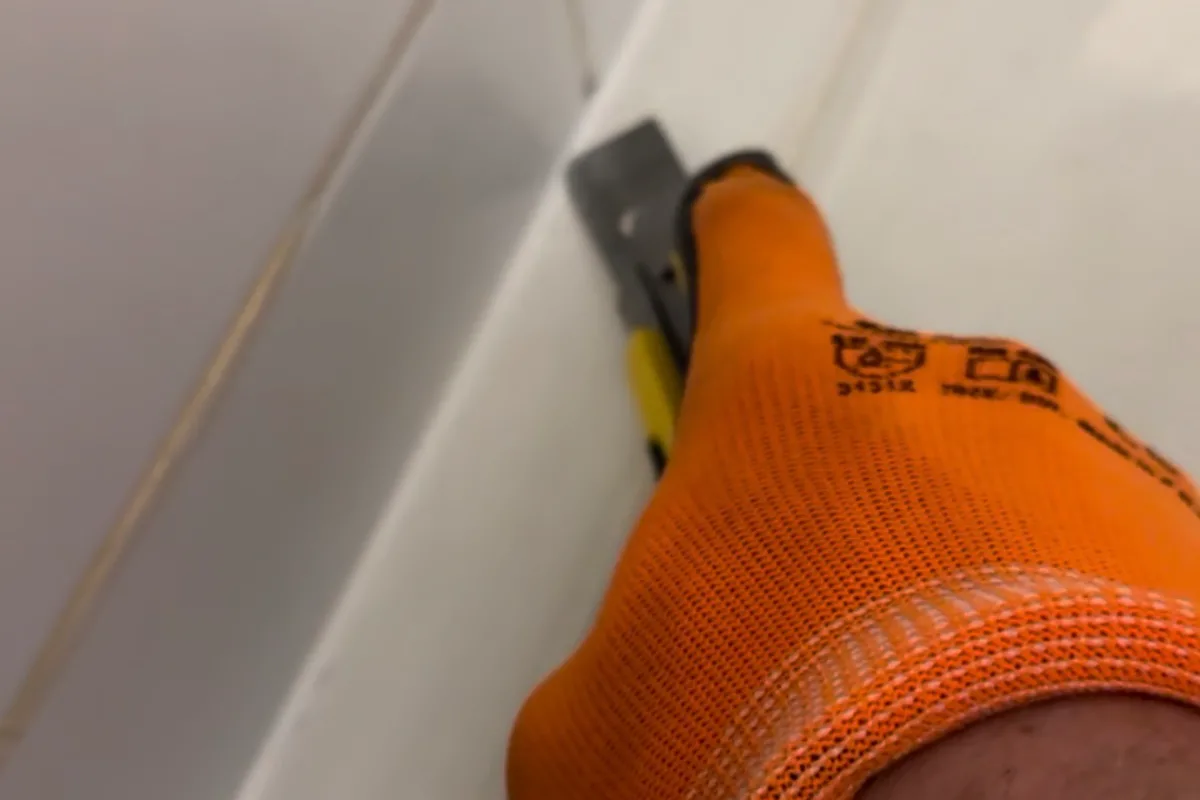
Silicone or acrylic: they are not interchangeable
Acrylic in the shower softens and washes out; silicone on the skirting will not take paint: pick the cartridge for water or for paint.
-
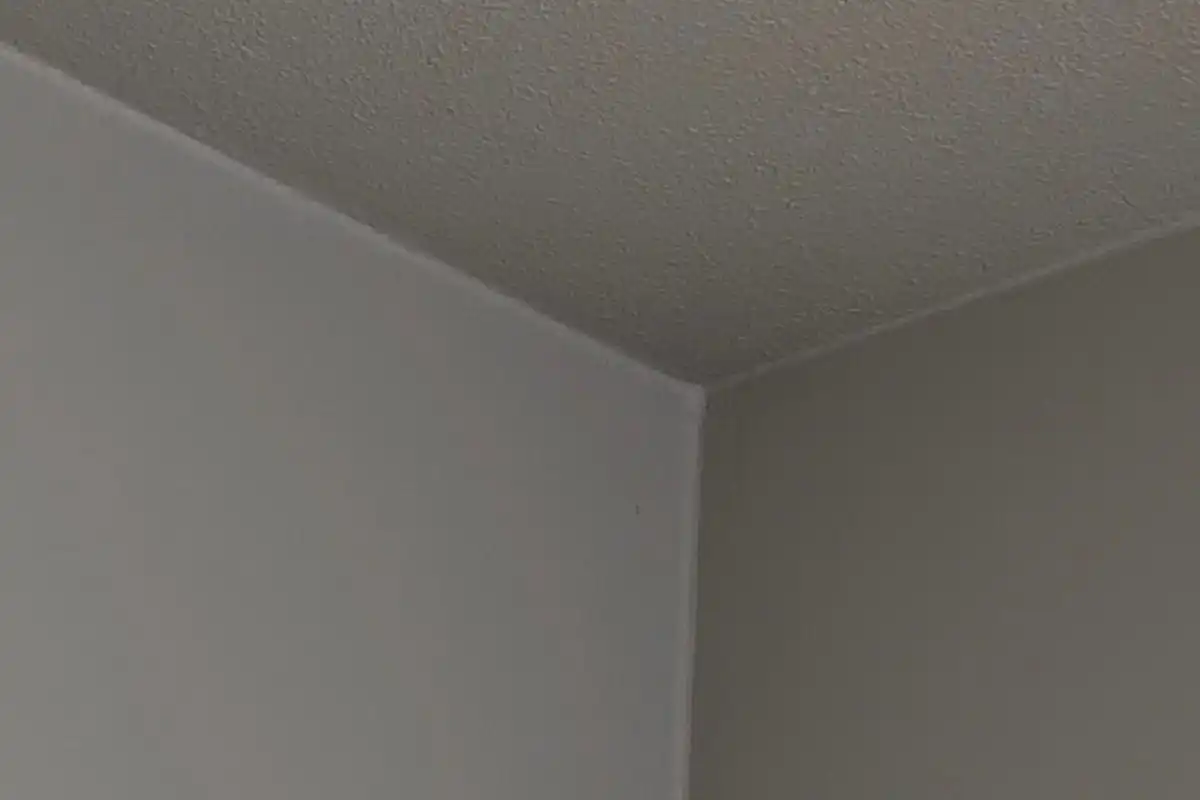
Paint cracking on the ceiling joint: it is not (only) the paint
Craquelure on the ceiling line usually means the acrylic is still shrinking after the paint film has gone hard — or the bead was tooled with soap.
-
Seal first, paint second: ceiling corners
Without paintable acrylic in the internal corner, plaster shows a saw edge and the house movement opens a crack. Seal, wait, then paint.