
Underfloor heating: switch it off before you seal
If you seal an expanded slab, it pulls the joint as it cools; heat also skins the bead too soon.
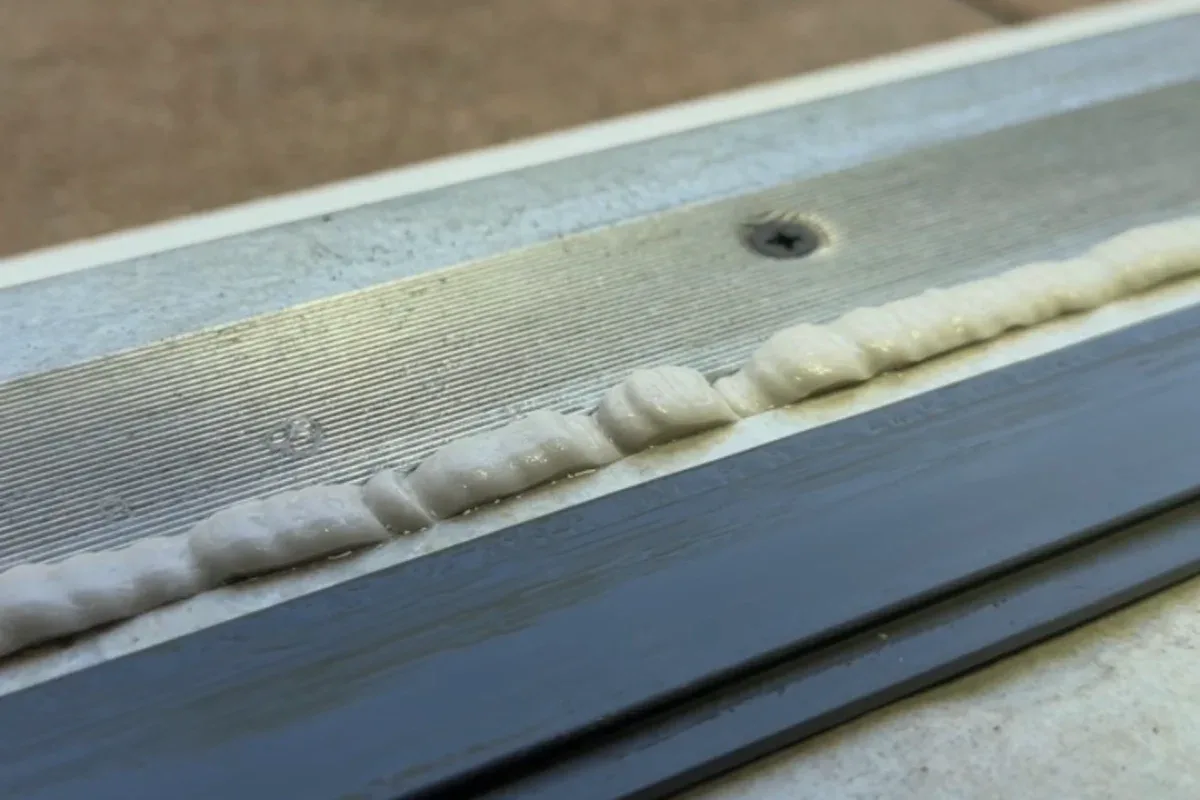
Switch the underfloor heating off at least 24 hours before, seal cold (about 15–20 °C), wait for cure, then ramp slowly. A hot floor is not a hairdryer for silicone.
Why it has to be cold
Yes: underfloor heating goes off before you seal and stays off while it cures. A warm slab is expanded. You lock the joint in that geometry. As it cools, the floor shrinks and pulls. Cohesive failure (the bead tears) or adhesive failure (it lets go of the tile or the skirting).
Heat from below also speeds skin formation. In minutes you have a stiff film: you cannot tool cleanly and the flank does not wet. Above about 25 °C on the substrate, I do not seal. 15–20 °C is the comfortable range.
People think a warm floor “dries it faster”. The opposite: it wrecks the chemistry and the geometry.
When to seal — and when not
Off 24 to 48 hours before if you are doing movement joints, perimeters, bathroom meetings or the skirting edge on a heated slab.
Back on 24 to 48 hours after, and slowly — a usual habit is not more than about 5 °C a day. Thickness and product decide; silicone cures on the order of a few millimetres a day at room temperature.
Do not seal if the floor still feels warm, or while the temperature is rising or falling. Movement in the fresh bead distorts the mass.
The same for skirtings: that joint takes the floor’s expansion. Seal it hot and it splits as the slab cools.
How I do it
- Heating off in good time. Check the floor is at room temperature.
- Clean, strip residue, degrease the flanks.
- Closed-cell PE backer rod in deep joints: without it, three-sided adhesion, and the floor tears the bead as it works.
- Primer on very absorbent mineral, if needed.
- Neutral silicone or an elastic hybrid with decent movement capacity (typical classes around 25 % — a product class, not a promise for that joint). On natural stone, a stone silicone, or it stains.
- Tool at once. Let it cure at a stable temperature. Then the ramp protocol, not the thermostat on full.
Common mistakes
Sealing on a hot slab (fast skin, wrinkles, bubbles). Full power the next day. Stone floor with acetoxy “shower” silicone. Deep perimeter void without backer rod.
Exceptions
A loop that will not come down in temperature is not “fooled” by a fatter bead. A floor already cracked from a bad first heat-up is a protocol problem, not a silicone colour.
What I use on this joint
-
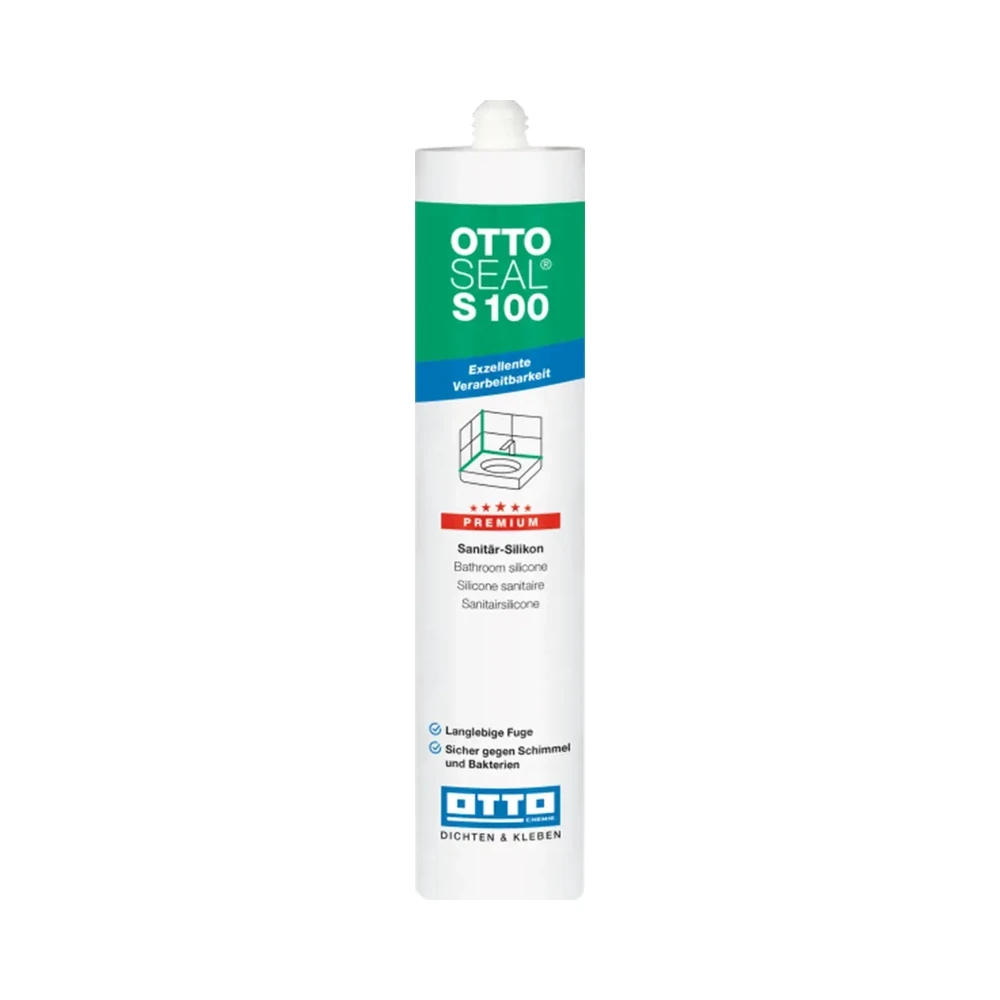
OTTOSEAL S100
The sanitary silicone I use on showers and baths. Elastic — not a staining-risk stone silicone.
OTTOSEAL S100 Purchase link not available -
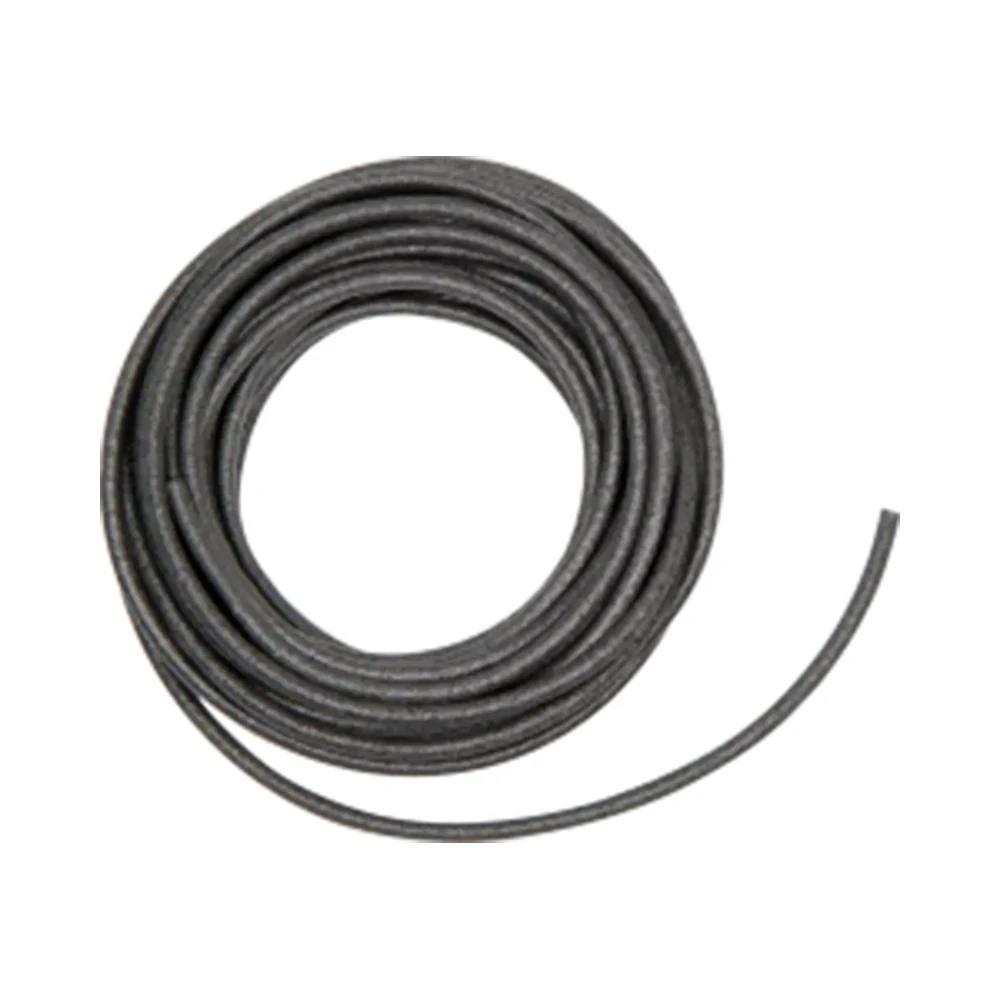
Backer rod
Closed-cell PE rod to control depth and prevent three-sided adhesion.
-
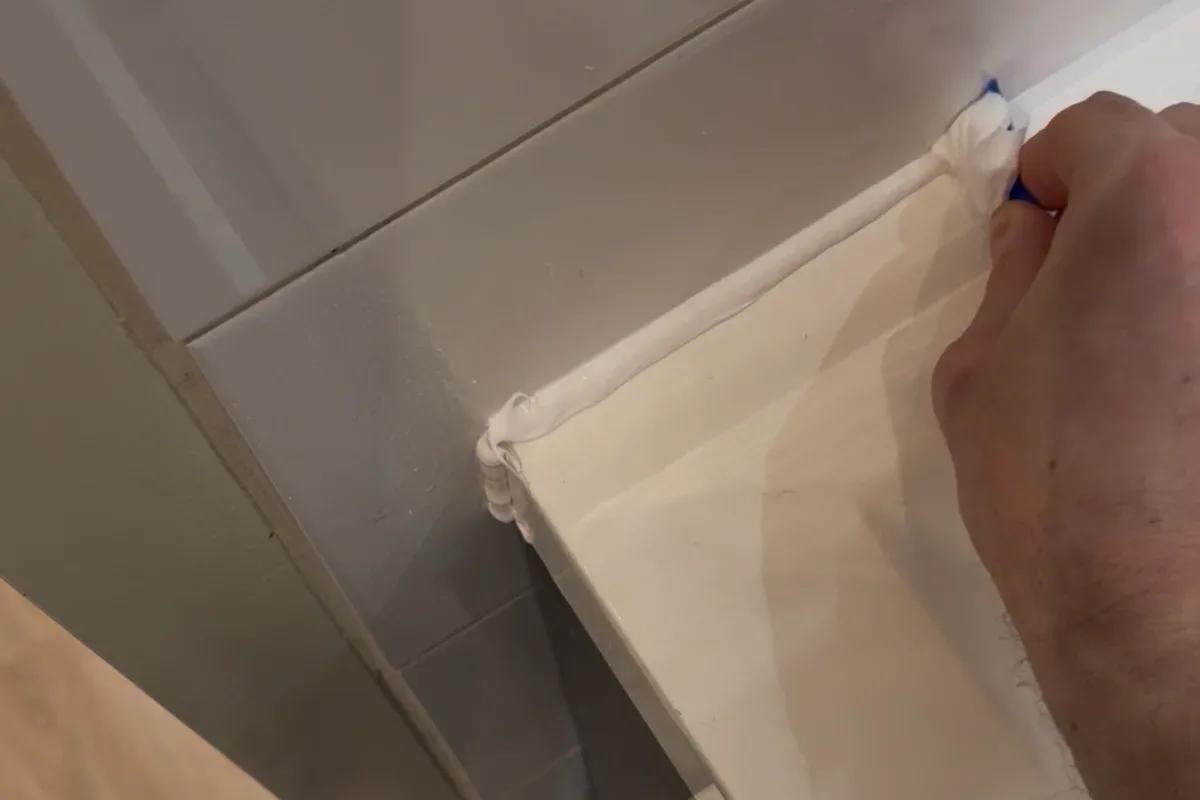
Movement joints: when silicone instead of grout
Corners, material changes, large fields and underfloor heating. Cement grout will not give.
-
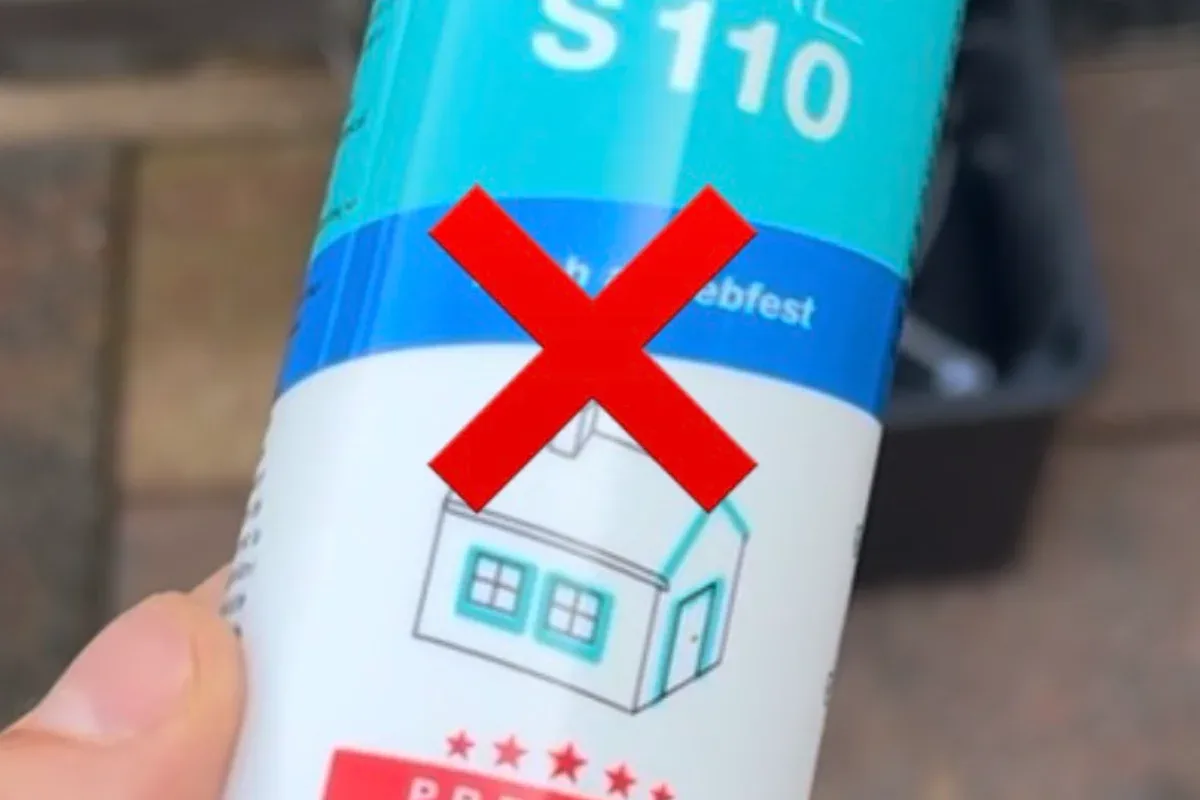
When you should not seal (yet)
A damp substrate, a loose tile or covered mould: silicone locks the problem in and vapour pushes the bead off.
-
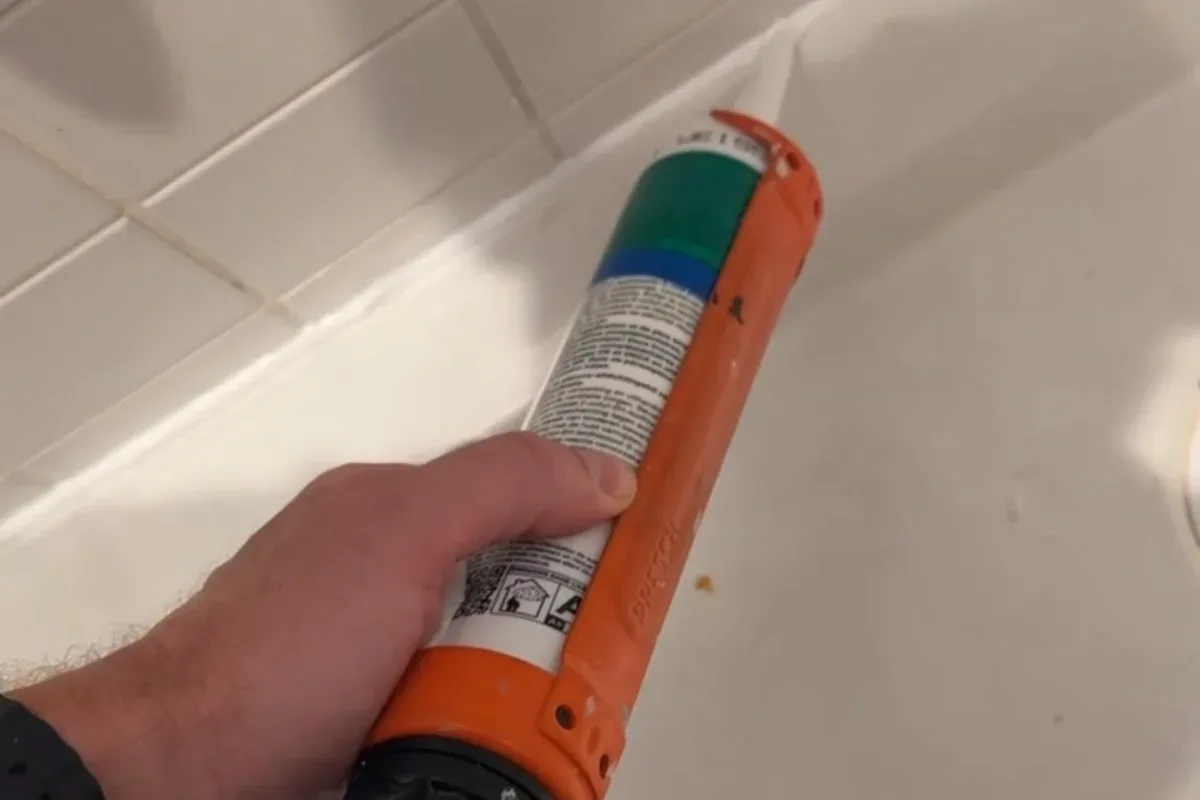
Three-sided adhesion: why a “full” joint tears
If the silicone bonds to both flanks and the back, it cannot stretch; backer rod or bond-breaker tape frees the third face.