
Ageing sealant: what changes when an edge starts to lift?
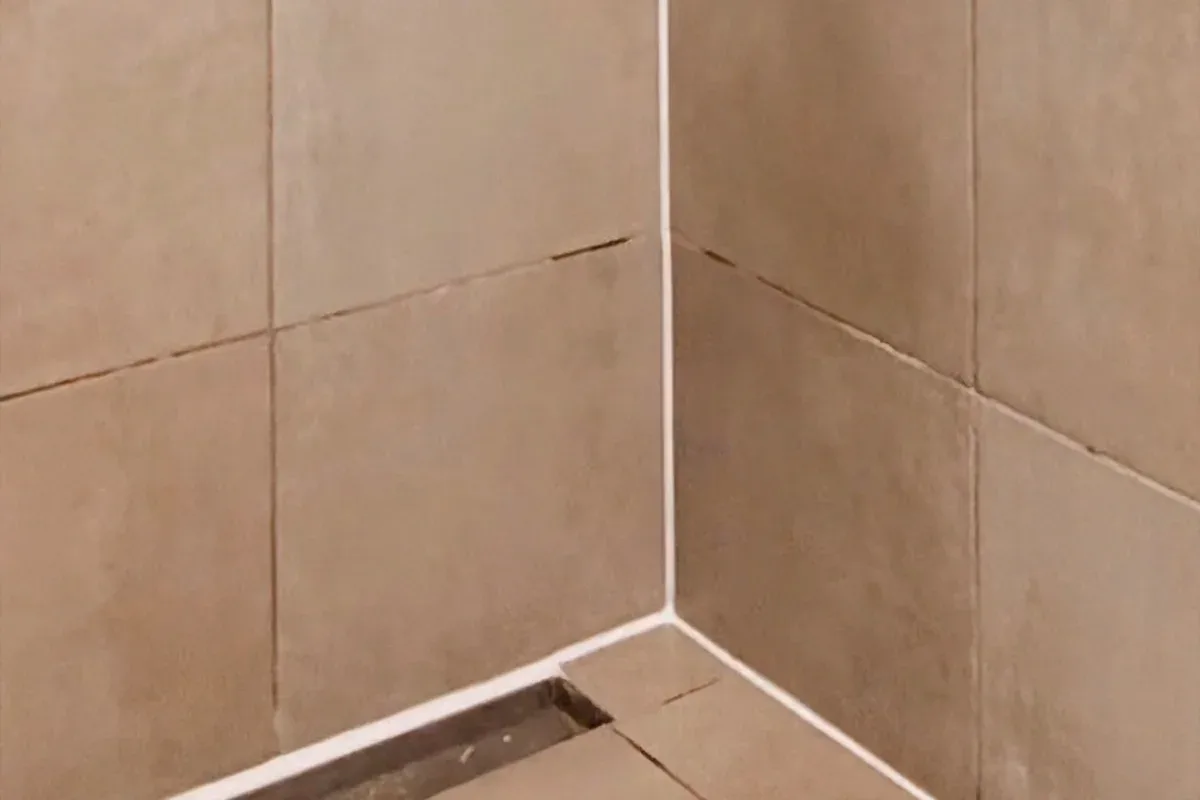
A yellow joint may still be bonded. An opening along the edge deserves attention, especially if every shower sends water into it.
Buying through a product link may earn us a commission at no extra cost to you.
Separate tearing from loss of adhesion
Dry the area and look in raking light without lifting the edge with a blade. Is the separation local or repeated at corners? Movement, cleaners, preparation and ageing can leave similar signs. Sunlight and cleaning chemicals can change properties over time depending on formulation. A tear within the bead is cohesive failure; separation at the surface is loss of adhesion. Colour alone cannot diagnose the chemistry.
Before opening the cartridge, try the Presch silicone gun in the tightest corner. Check you can turn your wrist and release pressure at the end of the run.
Decide whether replacement is enough
If water appears outside the enclosure or a substrate feels soft, stop using the shower and investigate. If both edges are sound and damage is limited to the joint, replace the continuous run between junctions and tool it without leaving a shelf that holds water.
Where the detail calls for sanitary silicone on two compatible surfaces, consider OTTOSEAL S100. Porous stone needs a stone-compatible product.
Photograph for comparison
Take an overview and an angled photo when dry. Mark the opening on a sketch. If it grows or wets another room, act promptly. Do not pull out a strip to test adhesion while the shower remains in use.
Dry-fit the FUGENFUX profiling tool. Choose the edge that meets both sides without scooping out the middle, then tool the bead before a skin forms.
Tools and materials for this job
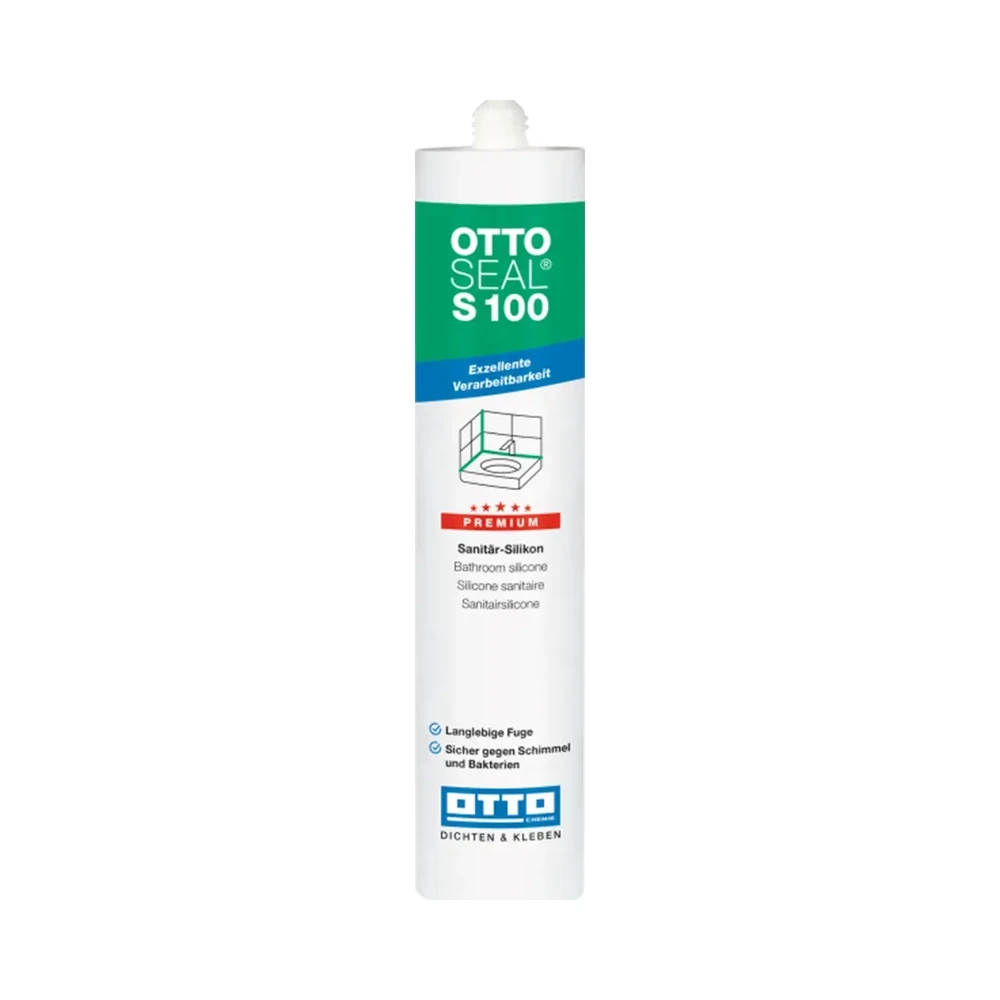
OTTOSEAL S100
Sanitary silicone for compatible surfaces. Check both edges before opening the cartridge.
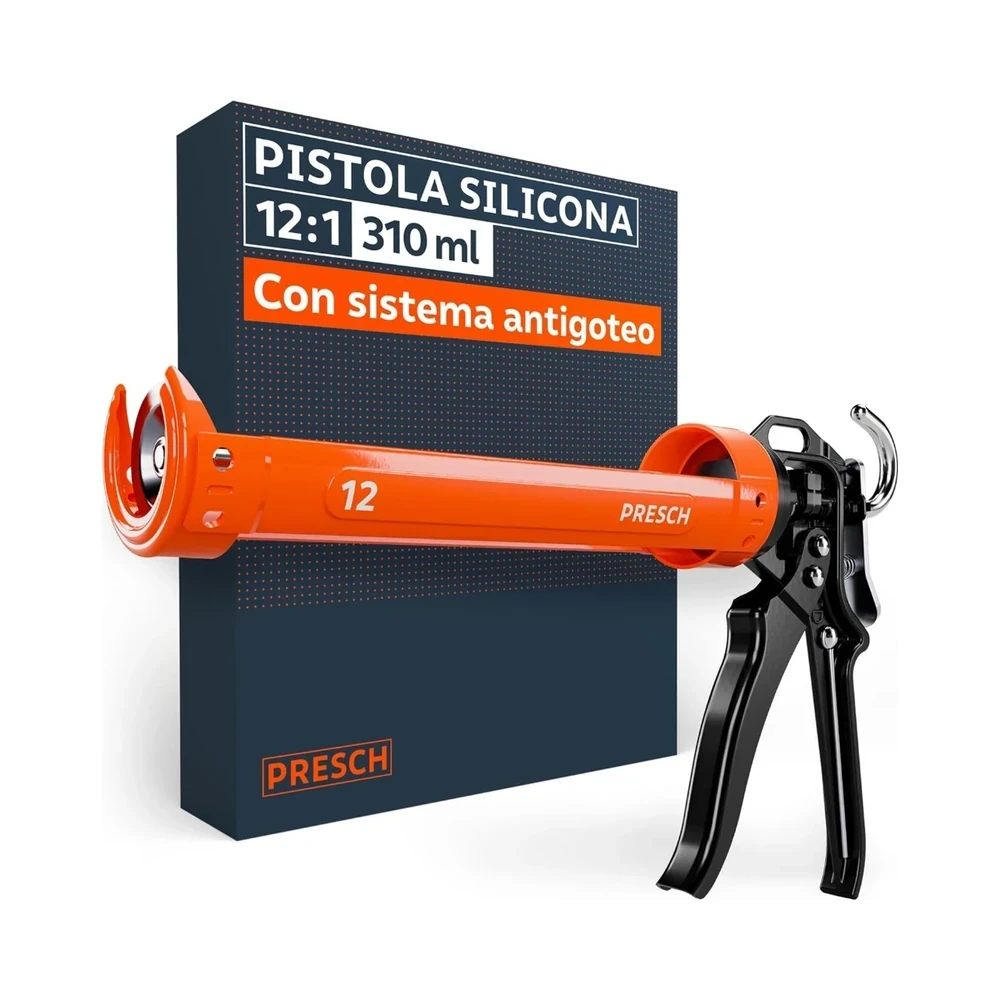
Presch silicone gun
Manual cartridge gun. Check you can release pressure in the last centimetre.
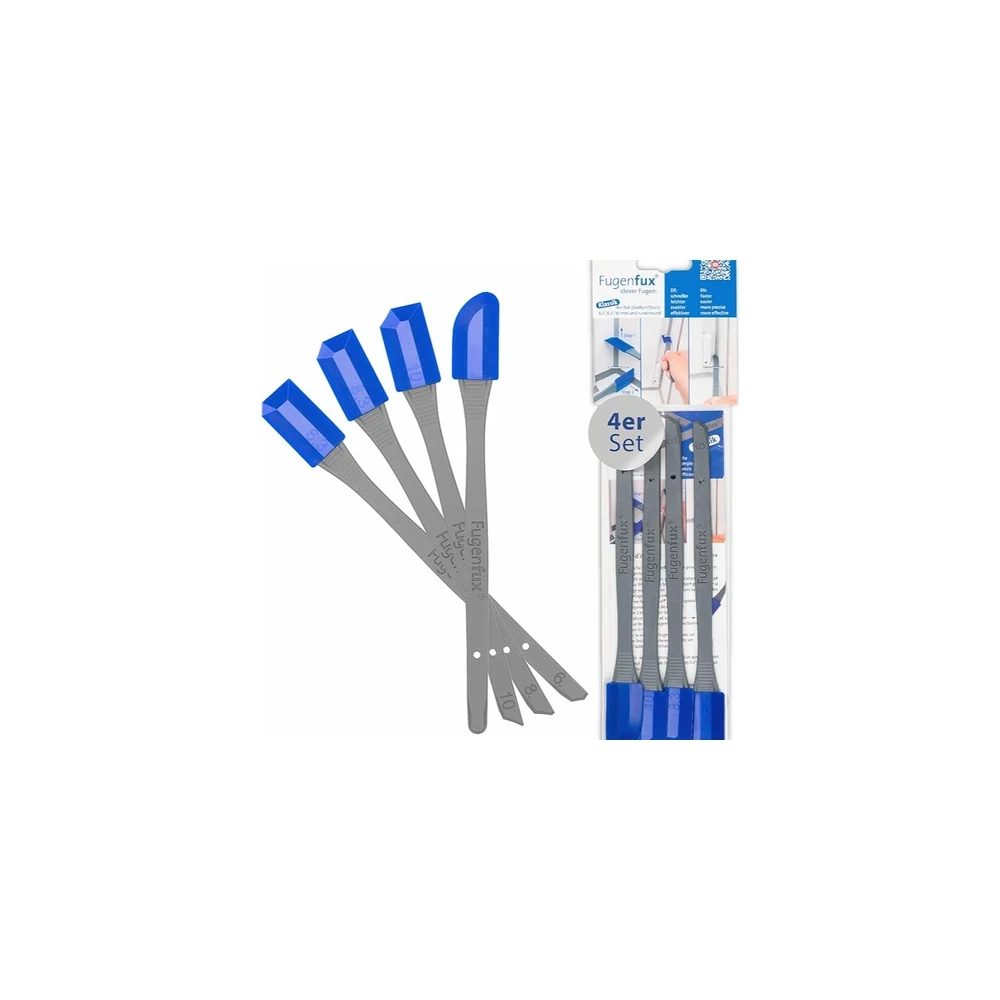
FUGENFUX
Profiling tool. Dry-fit the edge that reaches both sides of the joint.
Does colour tell me when to replace the joint?
Check adhesion and openings as well. If damage returns at the same point, investigate what moves there.