
Manual or cordless caulking gun? Test the start and stop
A powered gun can reduce effort on long runs. In a tight corner, visibility, clearance and control of the stop matter more than speed.
Buying through a product link may earn us a commission at no extra cost to you.
Try the same cartridge on cardboard
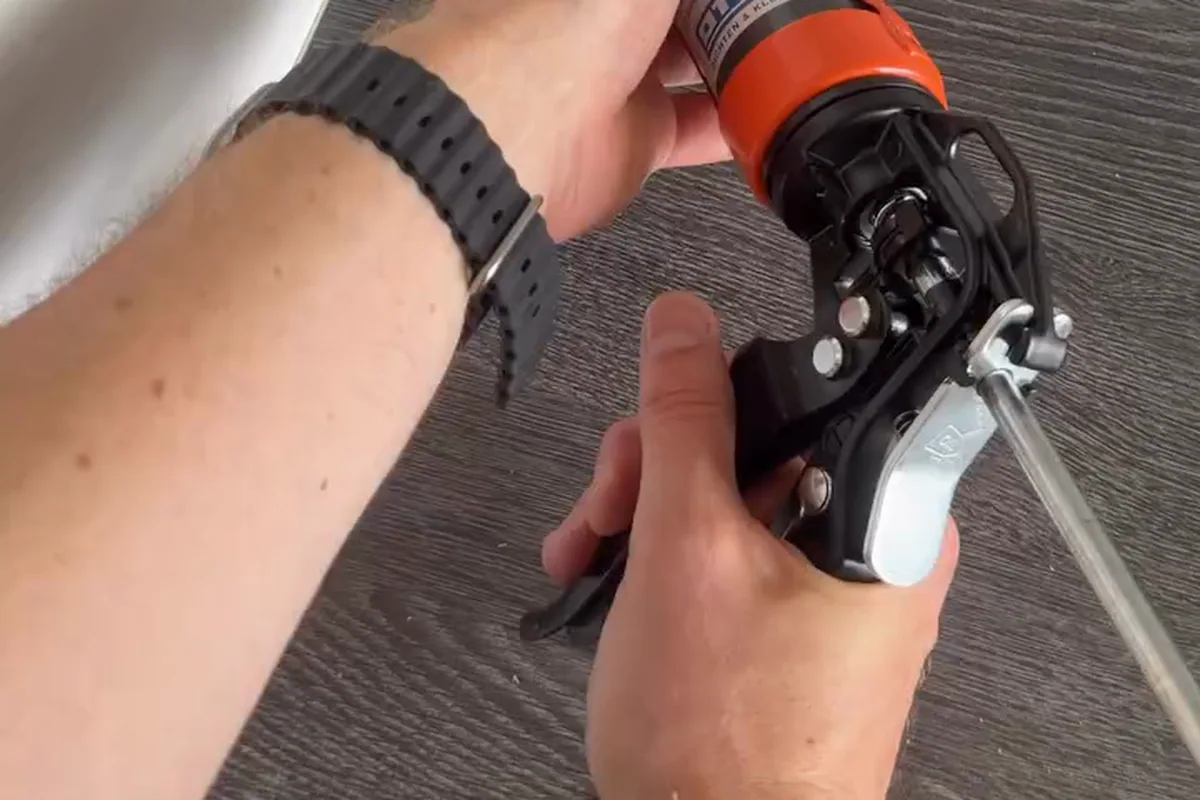
Draw a straight line, turn a corner and stop. Watch how much material comes out after release. Try the lowest powered setting first and practise the model’s pressure-release mechanism.
Before opening the cartridge, try the Presch silicone gun in the tightest corner. Check you can turn your wrist and release pressure at the end of the run.
Dry-fit the FUGENFUX profiling tool. Choose the edge that meets both sides without scooping out the middle, then tool the bead before a skin forms.
Choose for the job
For two short joints a familiar manual gun may be enough. For repetitive work compare battery weight, compatible packs and speed control. If material barely comes out, check the opening and cartridge before increasing force.
To compare the Makita electric gun with a manual gun, use the same cartridge and mark the trigger-release point. Watch how much comes out after you stop.
Repeat the corner three times
Mark a stopping point and use the same nozzle opening. See how much remains at the end and whether you can release pressure without changing grip. Faster straight runs will not save time if you have to repair every corner.
When preparing a fresh cartridge, use the Stanley knife as instructed. Cut the nozzle away from your fingers. This cartridge tool is not a scraper for glass, fabric or a shower tray.
Tools and materials for this job
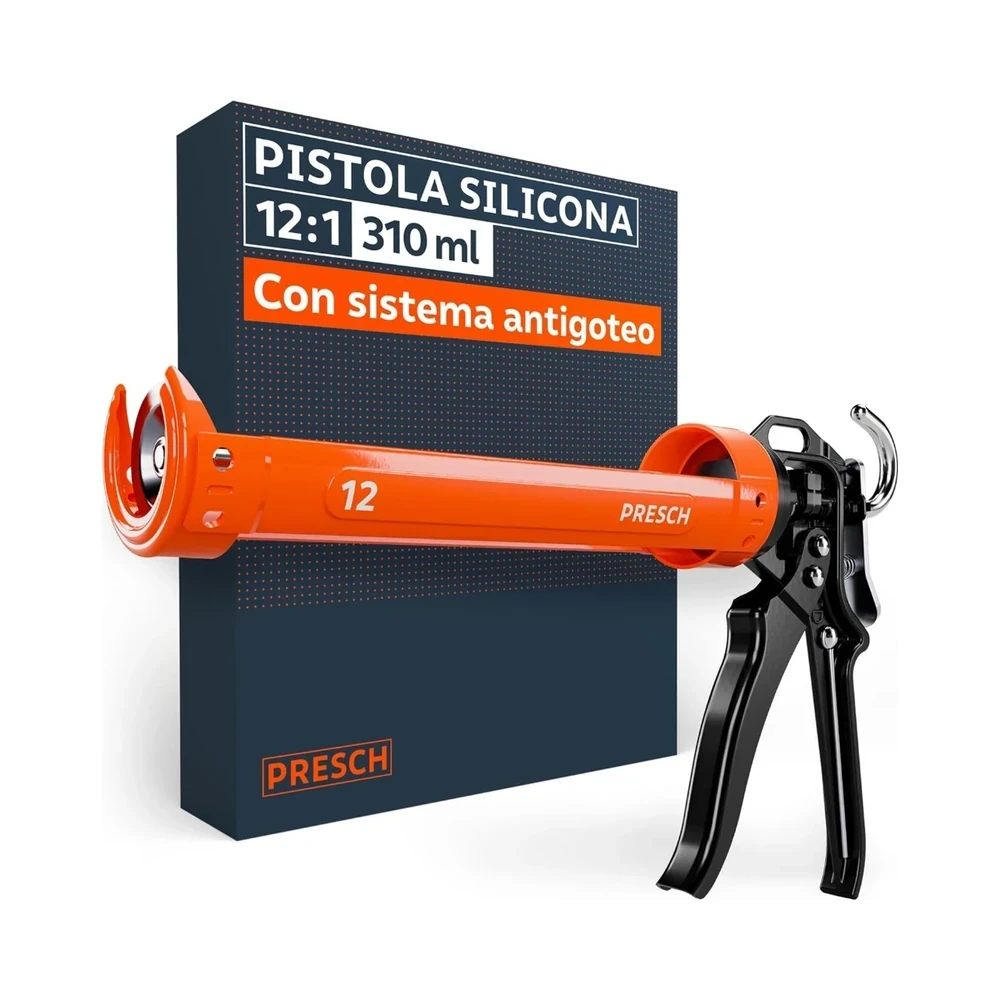
Presch silicone gun
Manual cartridge gun. Check you can release pressure in the last centimetre.
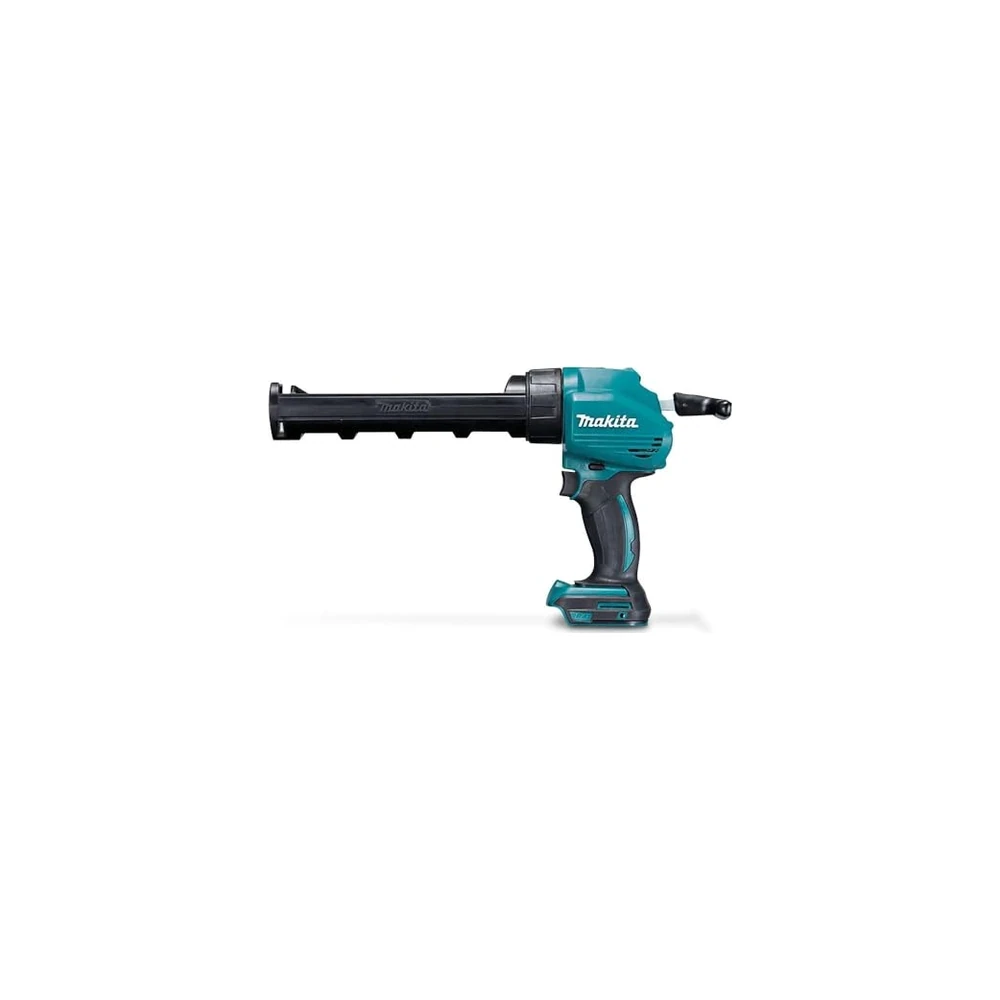
Makita electric gun
Powered gun for repeated runs. Check pack size, speed settings and battery.
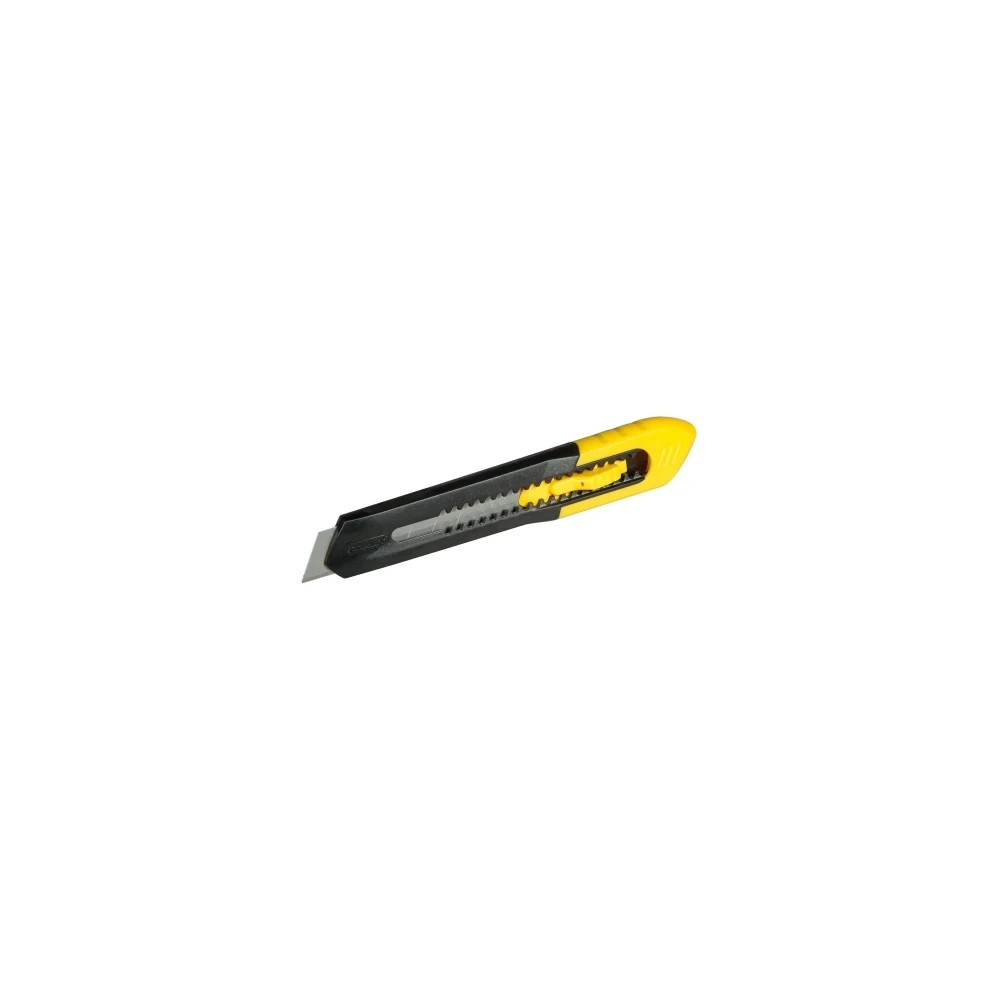
Stanley knife
For opening the cartridge and trimming the nozzle, not scraping delicate surfaces.
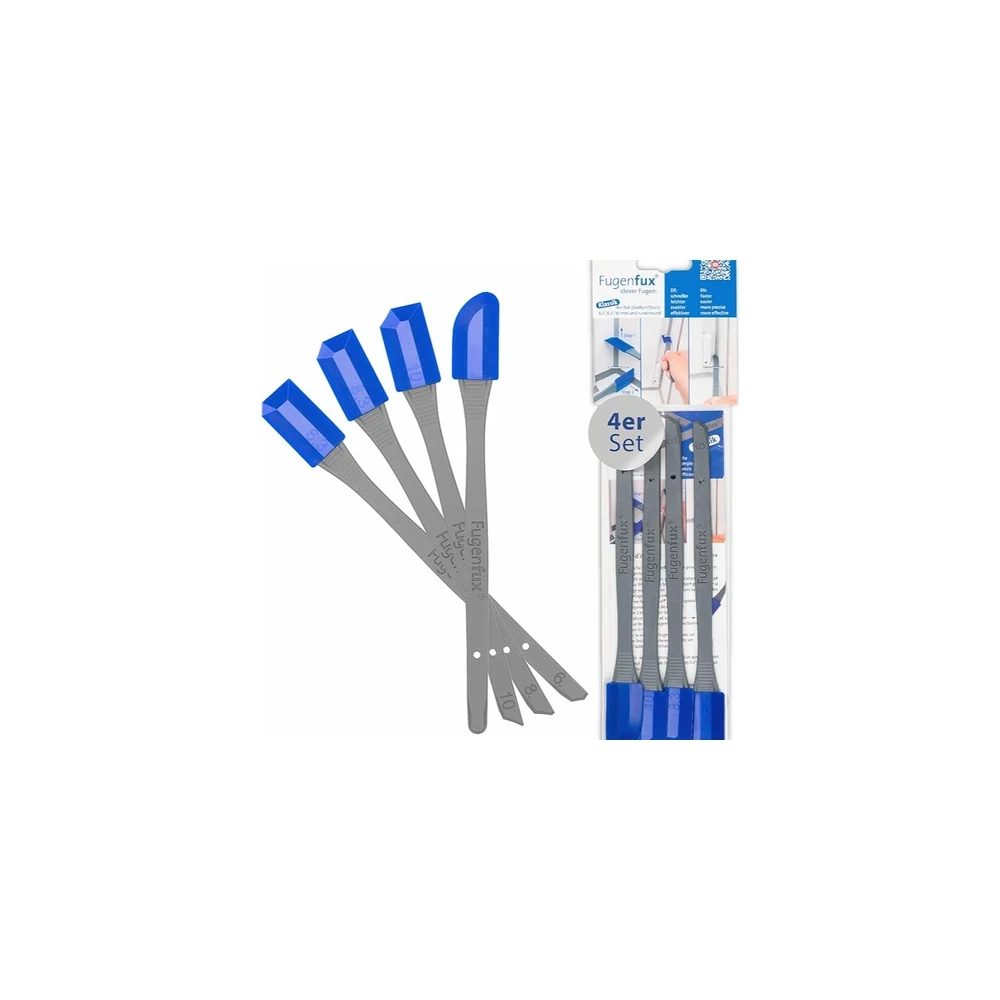
FUGENFUX
Profiling tool. Dry-fit the edge that reaches both sides of the joint.
What should I adjust if a blob forms at the end?
Start with slow feed and the end release. Check whether the model retracts automatically or needs a manual release.